Categories
Impact Inspiration & Initiatives Sustainability Tips

Innovation in Textile Circularity: 5 Changemakers Share Their Insights

With over 100 billion garments produced yearly and textile waste piling up in landfills all around the world, a circular economy for textiles is something we desperately need. 

This is one thread we cannot afford to lose. And so, we wove our way to Explore Circularity Day 2026, hosted by the Recycling Council of Alberta, on March 18–19 at the Calgary Zoo. While there, we learned a lot from inspiring changemakers sewing a new pattern for textiles through innovative circular solutions.

Much to our excitement, we had the honour of connecting with some of these incredible innovators. Equally as kind as they are knowledgeable, determined, and circularity-minded, they agreed to hold virtual meetings with us and share their stories.

Read on for insights into circular textile innovations, how textile circularity makes the world better, and how everyone can get involved, featuring Alberta Innovates, Goodwill, PLAEX and Gear re-Store, and ZyloTex.

Some quotations have received minor edits for clarity.

Alberta Innovates

Alberta Innovates is a research and innovation agency that provides funding, advice, connections, applied research, and industrial testing facilities to help accelerate innovations that will benefit Alberta. With a focus on preparing the province for a digital, net-zero future, Alberta Innovates seeks to improve lives for generations to come and has helped support projects in the circular economy space.

Here is what Mehr Nikoo, Program Director – Aerospace, Defense, and Advanced Materials (ADAM) at Alberta Innovates, had to say:

“Alberta Innovates is a crown corporation and our funding comes from a ministry. We report to [the] technology and innovation ministry, and our mandate is to support technology advancement and commercialization. […] The division I’m part of is focused on projects. […] For me it’s about project[s] [that] can come from anywhere, as long as there are impacts to the province. 

“I’m part of the aerospace defence and advanced materials [program]. I’ve been part of a lot of different groups and programs, but it’s been the same type of work about waste reduction and [the] circular economy. When we started looking at textiles, actually, it was in that context, because [it was] mostly the plastic in textile[s] that we were looking at recycling. The other part we have is bioindustry, and then we have also few projects there that are making bio fibres, for example, bio-based fibres.

“I’m a board member also with the RCA. A lot of conversations that I see are really focused on goodwill kind of activities or nonprofit or reuse, things like that, and there’s a lot of value and that’s the first step. But for us, it’s what’s beyond that, and to [what’s needed to] make [a] big impact, usually, is technology, because at the community scale [you need] to be able to use major technologies because the cost economy of scaling things. That is something that we see a lot of. And we don’t have strong textile recycling, but we use a lot of textiles. 

“So what I’m doing is important. Some of my other colleagues might be completely focused on hydrogen or other areas, but I’m part of a waste program. And this is really new, it’s kind of emerging at this point, because we see the trend. There’s a lot of interesting conversation. When you work in different areas, you see very similar trends [even for] something that is new. People start putting different pieces of [the] puzzle together and then come to some solutions.

“A lot of problems are actually very similar when you start something. Just bringing different stakeholders to have a conversation together sometimes is the biggest challenge. And you know, some people think technology is [only] digital technology, but for us it’s beyond that: how technology can be an enabler to bring the cost down or do things better. Like for machine learning, using AI robotics, of course they are useful, but a lot of times also the core technology of advanced recycling or other type[s] of technologies. 

“Because my background is chemical engineering, I always say process engineering is like the part you have to cook, you mix everything. It’s so easy to have some products, you have food and you eat. But how to design that? How much time you need, how much heat, what’s the pressure, what’s the yield of products, that’s what dictates your cost. At the end of the day, everything is about cost and money. Especially the area we are working on. It’s not like natural gas—you have to have natural gas to burn. Nobody has to recycle anything. So it has to be cost competitive. 

“How to optimize your process, your design, have the right value chain in place, make sure your technology is working at the optimum scale. And then [you] also [have to apply this to] different products. If you make revenue only from one out of three and the other two are waste, then it doesn’t make sense. These are the kinds of details that we have to sort out.

“[In addressing these challenges], there is no failure. You always learn what works, what doesn’t work. […] I wouldn’t even call them failures because it’s research. It’s learning; that’s basically the exploration that you do.

“Having an environment that demands sustainability—[with] demand[s] from customers or big industries, brands [that] want to add to their sustainability report, or regulations [is] what incentivizes these kinds of activities. Still, cost matters. But at least if you have those kinds of incentives, maybe you can justify some of these activities. […] In Alberta, especially with the small province, small population, the climate that we have, cheap energy, a lot of times it’s way more challenging for any kind of cleantech projects or circular economy projects. That’s the reality, [but] there are also opportunities.

“At the end of the day, it’s [about] finding the right partners together, and to open borders. It’s okay if you’re having conversation with someone in Europe or find collaboration potentials, because they are way more advanced in certain areas—why not? We [can] use some of those learnings. I remember there was an interview on the radio two years ago, [where] someone from Germany was advocating for solar heat and PVs, and it was an interview with Alberta. Someone said, ‘But in Alberta it is very expensive.’ And she answered, ‘So we find the solutions, you use them. It’s okay. You use our technologies.’ And it’s okay. We support those. It doesn’t have to be technology that is born in Alberta; even if someone brings an adopted technology to the province, it’s in the context of the province.”

How can people support and connect with your innovation, and help contribute to textiles circularity?

“First we are always open to inquiries [from anyone]. I spend a lot of time direct[ing] people, especially from externals. We have been going through some changes, and it might not be that easy to navigate our process—as long as they have an idea. I’ve been asked ‘at what stage [do] we have to engage with our retainer for funding?’ and, for me, it’s as soon as you have an idea, at least to know what we are looking for, and we can share some of those experiences with people from other projects. 

“We give them some points of what to look at, how to design, who’s the best collaborator for them. Sometimes I can even connect them with an industrial end user because that’s what  applied research is about, to put the supply chain together. Who’s going to pay for your technology or product at some point? We only support the research part. But down the road when you move into commercialization, who’s going to support it? 

“We get a lot of inquiries, a lot of people know us. We have a strong network. Sometimes we also connect them to different industries. Some people come to me not for funding, just for connections.


“I always say, do not think that you have to design your project to get funding. That’s not the goal. You have to design your project for success. If you can get funding to support your success, that’s the best. […] Money is not the only solution, because there are so many other things that can happen. Even if you have all the money, you might not be able to move forward. Thinking about all of that, all different perspectives and understanding the challenges, it’s a big part [of innovating for textile circularity], especially at the beginning. Then you prepare yourself for what’s down the road.”

Goodwill Industries of Alberta

Goodwill Industries of Alberta is a non-profit social enterprise focused on people, purpose, and planet. Its thrift stores, outlets, and donation centres support an ecosystem of reuse, make clothing and goods accessible, and provide meaningful employment to individuals with disabilities or other employment barriers. 

We spoke with Mortimer Capriles, Director, Sustainability and Innovation, and Doug Roxburgh, Director of Brand Marketing at Goodwill Industries of Alberta. Here’s what they had to say:

Mortimer Capriles: “In Alberta, Goodwill is a leader when it comes to the reuse of textiles. We have our traditional thrift stores where we sell items. It’s a five-week rotation system. Two weeks full price, then the last three weeks, 50% off. If they don’t sell in the three different stores, then we have the outlet stores. And in the outlets, we sell textiles. Doesn’t matter the brand, doesn’t matter how they are, we sell them at a really low price. […] We don’t charge GST because we’re a non-profit registered charity and we sell only used items. It’s a really affordable price for clothing, and that’s an amazing way to keep textiles in the local economy.

“The community is embracing this concept. They’re buying more and more from the outlets, and that’s helping fuel the mission, that’s helping fuel sustainability. But at the same time, we’re helping the community to get access to clothes at a really affordable price in a time where everything in Canada is more expensive than ever before. 

“The items that don’t sell in the outlet, we have been trying to keep in the reuse economy as much as we can. That means we are now providing clothes to hospitals in Edmonton and Calgary for people in [a] situation of homelessness [… and] to different partners in the community, […] to some vintage stores and other thrift stores in BC and Alberta.

“Items that we didn’t use in that aspect of the operation go to what we call Goodwill at Work. Goodwill at Work is a team that is fully composed of people with disabilities. […] They get full support from Goodwill with a job coach, a personal coach, and they are in charge of transforming textiles that [didn’t] sell in the outlet [and] were not used by our partnerships, [such as turning] towels into cleaning cloth[s]. We [then] sell [those] in our stores, in car washes, or in Habitat for Humanity stores. They transform t-shirts into rags that we sell to oil shops and mechanics in Alberta. That’s the downcycling aspect of the operation.

“Then we have the upcycling, where these team members sort clothes and use jeans—denim— and transform that into aprons and reusable bags. Beautiful creations, 100% made by people with disabilities in Edmonton and Calgary. […] These are all paid team members, they get benefits, even if they are part-time employees. So this is all about making a positive impact in Alberta from a social perspective as well. [We also] sell the[se creations] in our stores, to municipalities, or organizations that are looking for uniforms or for a corporate gift. We’re selling to different partners in the community or their non-profits. And it’s just an amazing way to keep these textiles out of the landfill.

“When it comes to actual textile-to-textile recycling, we have a partnership with a company called Sixone Labs that is based in Vancouver. We have been providing them with bales of textiles for them to conduct research, to analyze the fabric content of the textiles that we have in Goodwill, [and] at the same time transform those textiles, especially polyester, into plastic pellets that can be used for making new clothes. 

“We also work with Goodwill International conducting a textile fabric audit. […] That was made so we could start working with potential textile recyclers, and we could let them know the type of fabric [that] would get donated the most, to understand the opportunities and challenges we face when it comes to recycling textiles. We’re [also] going to visit a few companies, like textile recyclers in India that are working on textile-to-textile recycling to assess the process they have in place.

“In Edmonton, we have people with disabilities repairing broken furniture. We train them on how to repair furniture. Once they’re deemed independent, we help them to find employment in the community. 

“And we don’t just deal with textiles, that’s just like 50% of the operation. We recycle [crayons], paper, we recycle cardboard, plastics, metal, styrofoam, many other categories. Electronic waste right now is massive. We’re recycling a lot of electronics, appliances, and it all takes place here.”

Doug Roxburgh: “When furniture came in and we had people with disabilities repair the furniture, we had over 11,000 kilograms diverted from landfills just last year with that program. With the denim program, we had over 1,000 kilograms of denim diverted from landfills. So there’s numbers that back up some of the initiatives from an environmental standpoint.”

Mortimer Capriles: “We’re also selling textiles in bulk in the outlet stores so people can access a 1,000-pound bale of textiles for 25 cents per pound. That’s just another way to put more items in the local economy at an accessible price.”

How can people support and connect with your innovation, and help contribute to textiles circularity?

Mortimer Capriles: “The best way for people to support Goodwill is by shopping secondhand, reusing. […] That’s the best way to support the whole circular economy. Reuse should be top of mind for everyone looking to reduce their environmental footprint. Reuse is number one. And at Goodwill, we’re all about reuse, repair, and refurbishment. Shop[ping] secondhand [is] a good way to make a positive impact, not just in the environment, but also in the community.

“The other way is to donate to Goodwill. A lot of people might not be donating textiles right now. Research shows around 70% of textiles in Canada are going to the landfill, not being donated to charities. Around 10% of what is found in the garbage bins in municipalities around Canada is textiles in good shape that could be inserted into the reuse economy. The best way to support Goodwill is by making sure those items, like clothes [and] shoes, [are] donate[d]. 

“We want to partner with more municipalities to make sure we find convenient ways for people in the community to donate. […] The landfills are busy. Landfills are being filled with a lot of stuff that we know would be part of the reuse economy here in Alberta. So that’s the call to donate, to keep the items in reuse, in the local economy, as much as possible.

“In the case of Goodwill of Alberta,  we have a sustainability action plan. We are working with Deloitte to make sure everything related to the supply chain of textiles is done in the most ethical way from an environmental and social perspective. […] And we’re working really hard to make Goodwill as sustainable as possible. […] And we’re fully transparent. We conduct daily waste audits. Right now, [we’re] diverting 87% from the landfill, so 13% of what we get donated [is] going to the landfill. And that’s in the annual report we post online every single year.”

PLAEX Building Systems & Gear re-Store

PLAEX Building Systems™ offers sustainable construction solutions through PLAEX-crete™, made from over 90% recycled waste, and its unique interlocking building system. Operating on a circular economy model, PLAEX aims to develop an innovative ecosystem that combines simple assembly and disassembly with durability, energy savings, and sustainability.

Gear re-Store is a third-party outdoor gear repair company with full North American coverage. Specializing in aftermarket repair, restoration, and Durable Water Repellency (DWR), Gear re-Store is on a mission to reduce the outdoor industry’s environmental impact and keep gear in circulation.

Here’s what Russell McPherson,  VP of Business Development at PLAEX and Founder of Gear re-Store shared with us:

“PLAEX manufactures a product that combines difficult waste streams and makes them into building materials. The key objective of these building materials is to enable the fabrication of low-cost housing. PLAEX is helping to prevent certain hard-to-use waste streams or difficult waste streams from going into the landfill. Sustainability, absolutely. Circularity, absolutely. We calculate that the cost of building the shell of a house could drop by 15–30%. […] One of the key ingredients in the PLAEX building block is what we call waste aggregate—concrete, asphalt, brick, glass—[we] make it into affordable building products. 

“[This can help] remote northern communities where they don’t have access to skilled labour and where they have a housing shortage. Ship the PLAEX bricks up to remote communities and have people actually put together the shell of a house. These bricks basically snap into place. We refer to it as adult Lego. And it’s really that easy. We just tap them into place with a rubber mallet.

“[On the textile side,] I owned a business in the outdoor industry, Gear re-Store. [It] repair[s] outdoor gear like Gore-Tex jackets and polyester [textiles]. So I thought, well, what if we took out some of the plastic from the PLAEX brick and inserted some end-of-life outdoor gear, which is polyester. And so they tested to see whether outdoor gear would return the same properties in the manufacturing process. It did. In fact, it probably actually strengthened the brick because of the fibres involved in the polyesters. So, we know technically we can make a brick that includes end-of-life outdoor gear, which is problematic gear. 

“Some of it is made with nasty chemicals, which take hundreds of years to break down in landfill. There’s legislation that is coming to a jurisdiction near you. It’s already proposed or enacted in Europe [and] California, and it’ll be global before long. It’s EPR legislation that will prohibit outdoor brands from landfilling or incinerating their gear. So, they are looking for a solution. I want to be able to provide it to them. And I thought a rather interesting solution would be to take their end-of-life product, grind it up into the mix of the PLAEX bricks and make bricks that can be then used for affordable housing, if it works.

“Where we’re hung up right now is these nasty chemicals that are in some of that gear that’s currently out there in the marketplace. I will say that the outdoor industry has reacted to environmental pressure, and they are making more responsible gear now that doesn’t include these nasty chemicals. [… But] right now, I need to find a lab that can help me do 100 years of accelerated testing to make sure that the nasty chemicals that are in that gear that get incorporated into a PLAEX brick do not leech into the environment and cause carcinogens for the occupants of the residences that we construct. I think we’re probably going to be okay because the PLAEX brick is actually extraordinarily dense. It’s way more dense than a cinder block. What we need to do is find a lab that can help us simulate 100 years of rainfall exposure and UV exposure. That’s where I’m at today.”

How can people support and connect with your innovation, and help contribute to textiles circularity?

“Gear re-Store is looking to extend the life of outdoor gear. We do it almost exclusively today through repair. If you can fix something rather than throwing it out, you extend the life of gear. You consume fewer of the earth’s resources to build gear that needs to replace the stuff that you threw out. And obviously you’re reducing the impact on the environment [that’s made] by throwing out gear that is still serviceable. It can be repaired. Where Gear re-Store wants to get more involved is in upcycling and downcycling. 

“[For] downcycling, I think our option, if we can make it work, is with PLAEX: grinding up outdoor gear and incorporating it into PLAEX product.

“The upcycling piece is something that we are pursuing as well. We’ve come across some technology that will enable us to economically trim outdoor gear. Remove zippers, buttons, snaps, draw cords, all the hardware that’s used, and all that would be left in the garment would be a bucket full of trim. Basically, you’re left with [maybe] 5% of the gear that would end up in landfill, but it’s all stuff that’s safe to landfill, [it’s not made with harmful chemicals]. Then what we would be left with is the garment pieces. We are hoping to combine this trimming technology with laser cutting of pattern pieces so that we could do economic upcycling, which is making new product out of old product, making handbags, totes, chest slings, that kind of stuff.

“And right now, the barrier to success in doing upcycling is the cost. […] If we can make the front-end of the process, the harvesting of usable panels, if we can take the labour component out of that by automating the process with equipment, we might have a winner. That’s something we’re exploring right now with people who developed that technology to trim and combine that with cutting pattern pieces. If we can cut out the harvesting, we might cut out as much as half of the labour component involved in upcycling. 

“How could people help? […] PLAEX is looking for investment. It’s a startup company, pre-revenue. If somebody  is interested in becoming part of that project, they can go [to] plaex.ca and there’s all kinds of links for people that might be interested in investing in the company. We are also looking for licences. PLAEX develops technology, and their model will be to license that technology globally.

“I think there’s opportunity for two or three operators in Alberta, two to four in BC. So, anybody who’s interested in taking out a PLAEX licence for a certain territory, we’d be happy to talk to them as well. If anyone wants to put together a business where they actually take waste polymers and waste aggregates and combine them into building products, talk to me. […] Aside from that, if anyone knows of a lab that they could connect me to, to do that testing.

“I think we need to prove out the idea, then we’ll be looking for customers, and then we’ll be looking for suppliers as well. We’ll be looking for all kinds of gear to come into us. It’s premature at this stage to invoke that part of the business plan because we still don’t know whether it’s going to work.”

ZyloTex

ZyloTex is creating high-performance, biodegradable fibres out of Canadian-grown hemp, using a closed-loop lyocell process that transforms agricultural waste into a valuable resource. Their mission is to build a local, regenerative textile industry and reduce the world’s reliance on cotton and synthetics.

This is what Lelia Lawson, Founder and CTO of ZyloTex, had to say:

“So what ZyloTex does is we take agricultural residues, focusing on hemp straw grown for oil seed and food crops, and then we take that straw that is now seen as a waste product, and we convert it through the lyocell process to create fibre that could be used in anything from non-wovens, wipes for example, to even the clothes we wear and everything in between. 

“Lyocell fibres themselves are biodegradable, but they can actually be recycled into new lyocell fibres. And then another waste stream that we’re looking at, which is going to be down the line, is going to be looking at post-consumer cellulosic textiles. So, not only looking at recycling lyocell fibres back into the lyocell process, but looking at other cellulosic textiles like cotton that are currently being landfilled.

“We go through a pulping process. The pulping process breaks it down, and we end up with something that looks like really fancy paper. And then we take that paper, and we dissolve it in an organic solvent that is almost 100% recoverable. I think it’s 99.9% recoverable right now. And we transform it. […] But we can also create different dimensions of this fibre. We could increase the diameter of it to make it stronger and more of a monofilament. So this could be anything from the clothes we wear to nonwoven products like wipes. Think about filtration media, erosion control, landscape materials to even composites, for example, airplane fuselage, panelling, so there’s abundant applications.


“We’re working with Canadian farmers who are growing hemp. We have a joint development agreement with a company called Plantae Technologies, and they procure the straw directly from the farmer.”

How can people support and connect with your innovation, and help contribute to textiles circularity?

“Right now, we are very much a startup company. So we are looking for funding to accelerate our development of pulp for scale up, as well as for fibre development for sampling and future sales. In terms of help or support, it’s really just looking at alternative materials.

“I know we’re part of a community that’s really involved in circularity, that really wants to see sustainable alternatives to the current microplastic problem and our petroleum-based synthetic issue. And if we can help support that side of the story and really drive that—we do need circular options, we do need textiles that don’t contribute to the microplastic problem—then we can actually create a consortium that really believes in these types of materials. That will help to drive that bioeconomy.”

Knitting Inspiration Into Impact

Our heartfelt thanks to everyone who met with us and shared their stories. And thank you to everyone innovating in the circular economy space to stitch a new ending for textiles, protect the planet for generations to come, and make the world better.

Textile circularity is relevant to everyone. Businesses, changemakers, the general population, all of us. Textiles are a part of daily life for everyone, and the work you’re doing can help make all the difference in the world.

Want the world to know about your circular economy solutions? Sparx is here to help you connect with the community, grow your audience, and raise awareness. Contact us today for a free consultation. 

Categories
Impact Inspiration & Initiatives

35+ Circular Economy Standards and Resources for Purpose-Driven Organizations

To build a better world, the circular economy needs to become the new standard of how we think about what we take, make, and waste. So how can we help you achieve this?

We believe that creating the conditions for clarity, collaboration, and courage can accelerate the awareness, adoption, and implementation of the circular economy, both in Canada and on a global scale.

That’s where standards come in. By following innovative standards of practice, applying standardized policy, frameworks, and roadmaps, and drawing inspiration from the changemakers setting new standards for what circularity looks like in action, we can all get aligned on what’s needed to make circularity a reality.

Keep scrolling for resources you can use to guide your organizational, operational, and personal circular economy goals. This collection spans standards and certifications, roadmaps and action plans, policy and regulation, practical toolkits, and real-world case studies — organized by category so you can find what’s most relevant to where your organization is in its circular economy journey.

Resources marked with an asterisk (*) feature changemakers from Circular Economy Magazine.

Circular Economy Standards & Certifications

Whether you’re looking to align your organization with internationally recognized frameworks or certify a product for circularity, these resources define what circular economy standards look like in practice and how to meet them.

ISO 59000 — Circular Economy Standards Series*: This series of international standards helps companies align on circular economy definitions, principles, and product design.

Cradle to Cradle — Cradle to Cradle Certified® Product Standard Document*: Dive into the most recent version of the Cradle to Cradle Certified® Product Standard (Full Scope) to learn how to align your products and packaging with circular economy principles.

Canadian Plastics Pact — The Golden Design Rules for Plastic Packaging Canadian Guidance*: Discover a clear framework that sets out circular design standards for plastic packaging and makes recycling easier. Adapted for the Canadian context and presented by the Canada Plastics Pact.

CSA Group and Circular Innovation Council — Driving a Circular Economy for Plastics: Introducing Canada’s New Plastics Recycling Definition Standard Webinar*: Catch the recording of this collaborative webinar to hear about how Canada’s plastic recycling standard can help support policy making, performance monitoring, and more.

Fashion Takes Action — Circular Economy Standards & Certifications List*: Deepen your knowledge of circular economy standards and certifications with this detailed guide.

British Standards Institute (BSI) — Executive Briefing: BS 8001 – a Guide: Gain insight into the BS 8001 standard for implementing circular economy principles in organizations with this free downloadable brief. The standard can also be purchased from this page.

British Standards Institute (BSI) — Circularity and Standards: Practical Pathways for Business Transformation Blog Article: Explore the role of standards in transforming ambition into scalable circular economy action across multiple sectors.

Forest Stewardship Council — Episode 79: Next stop — Circular Economy in FSC? Legislative Drivers, Principles and How FSC Connects Podcast: Listen to this podcast for a look at circular economy integration in FSC certification, how FSC standards can evolve, and emerging legislation in the industry.

National Institute of Standards and Technology (NIST) — Circular Economy Standards Registry: This centralized, curated tool is designed to help users navigate the complex ecosystem of circular economy standards, so anyone developing standards can find existing standards, committees, and relevant resources to avoid fragmentation and overlap.

World Business Council for Sustainable Development and UN Environment Programme (UNEP)’s One Planet Network — The Global Circularity Protocol for Business Playbook: Explore standardized circular performance and assessment scopes, indicators, and methodologies in this global framework intended to help organizations embed and measure circular economy impacts.

Prism — Circular Economy Standards Term Guide: Brush up on terms and types, challenges and opportunities, analytical frameworks, and more fundamental aspects of circular economy standards.

Roadmaps & Action Plans

Government and multi-stakeholder blueprints that map out the circular economy transition at the city, provincial, national, and global level. These resources show how jurisdictions and coalitions are planning the path forward—and where your organization can plug in.

Circular Innovation Council and Circular Economy Leadership Canada — The Circular Economy Action Plan for Canada*: A tool to unite stakeholders, this framework identifies key enablers and sets out 36 priority actions to help accelerate the circular economy transition.

City of Toronto — Circular Toronto: A 10-Year Circular Economy Road Map*: Participate in Toronto’s circular economy journey with this roadmap, which includes actions, updates, and next steps.

Ville de Montréal — Feuille de route montréalaise en économie circulaire 2024-2030 Guide* (FR): Learn about Montréal‘s circular economy roadmap and data points to document the transition, including its circularity index, carbon footprint, and material footprint. Document is in French. Accompanying webpage available in English.

Ville de Montréal — Plan d’action montréalais en économie circulaire 2025-2027 Guide* (FR): Check out Montréal’s ongoing three-year action plan, made to help accelerate the transition outlined in its circular economy roadmap. Document is in French. Accompanying webpage available in English.

European Forest Institute — Investing in Nature As the True Engine of Our Economy: A 10-point Action Plan for a Circular Bioeconomy of Wellbeing Guide: Discover ten action points for building a circular bioeconomy that centres nature and collective, integrated action on a global scale.

Platform for Accelerating the Circular Economy (PACE) — The Circular Economy Action Agenda: Answer the call to the circular economy transition with this agenda, comprised of five publications exploring objectives, scaling and implementation, and calls to action across crucial focus areas.

Québec Circulaire — On the Road to 2050: Transition to a Circular Economy! Roadmap Podcast (FR): Tune in to this French-language podcast for insights into Québec’s circular economy transition roadmap.

Policy & Regulation

Navigating the regulatory landscape is essential to circular economy implementation. These resources cover policy instruments, extended producer responsibility (EPR) requirements, and legislative frameworks that are shaping how circular practices are governed and enforced.

Ellen MacArthur Foundation — Keep It In Use: Retain Resource Value and Unlock Economic Opportunities Policy Brief*: Unlock circular economy outcomes with these actionable policy instruments, options, and recommendations.

Ellen MacArthur Foundation — Policy Unplugged: Implementing Circular Economy Policy With Joss Blériot Podcast Episode*: Examine the worldwide surge in circular economy strategies, how to align on implementation, and which policy tools to prioritize.

Reverse Logistics Group (RLG) and Reconomy — Packaging Sustainability: The North American Laws You Need to Know Guide*: Navigate circular economy packaging laws and regulatory standards with this guide.

Circular Materials — Producers Guide: This guide helps producers and stewards navigate extended producer responsibility (EPR) registration, reporting, and requirements to meet circular economy packaging standards.

EFS-plastics — How Well-Designed Policy Can Strengthen the Domestic Recycling Industry Blog Article: Learn how well-designed policy can help overcome challenges in the plastics recycling industry, ensuring programs and mandates thrive and circularity can prosper.

European Parliament — How the EU Wants to Achieve a Circular Economy by 2050 Article: Learn about strategies, standards, and certifications proposed across sectors by the EU as part of its Circular Economy Action Plan.

Toolkits & Practical Guides

Ready to put circular principles into practice? These hands-on resources offer step-by-step guidance for circular product design, credible sustainability communication, and avoiding greenwashing — helping you embed circularity into your operations with integrity.

Fashion Takes Action & Canadian Circular Textiles Consortium — Circular Design Toolkit*: Get practical guidance on how to create products that are built to last and meet valuable circular economy standards.

ChopValue — Building Better: How Sustainable Materials Can Help Your Project Achieve LEED Excellence Guide*: Learn about LEED certification and how it can help businesses achieve success while building a greener future.

Creatives for Climate — The Creative Integrity Playbook: Take action with a guide designed to help the creative and communications industries redefine the role of influence in accelerating the circular economy.

Creatives for Climate — The Anti-Greenwash Guide for Agency Leaders: Developed with insights from climate lawyer Jonathan White and global sustainability expert Dr. Victoria Hurth, this guide offers insights and tips into the latest regulatory frameworks and how to avoid greenwashing in circular communication campaigns.

Research, Reports & Case Studies

Data, analysis, and real-world examples that show what’s working in the circular economy—and where the gaps remain. These resources offer evidence to support decision-making and inspiration from organizations putting circular principles into action.

CSA Group — Climate-Smart Circularity: Guiding Decision-Making Through Data-Informed Standard Protocols Report*: Uncover climate-smart circularity pathways through an examination of seven discarded material streams across three Canadian sectors, how to turn this insight into action, and how standards can help.

City of Toronto — Baselining for a Circular Toronto Highlights Summary Document*: Before the roadmap, there was the baseline. In this resource made in collaboration with Circle Economy and the David Suzuki Foundation, see the analysis, indicators for measuring progress, and more that helped inform the creation of the roadmap.

ChopValue — Urban Impact Report*: Find out how ChopValue is making a tangible impact through circular business practices.

KORE Outdoors — 2025 Rehub Report*: Learn how you can help support this repair program that’s advancing circularity in the outdoor industry.

Ten Lives Festivals — Crowd Funding Campaign Overview*: Surpassing its goal by nearly €15,000, this regenerative movement is demonstrating what circular, community-driven events can achieve.

AFNOR Association — Circular Economy and Voluntary Standard Success Stories Report: Draw inspiration from the stories of six organizations following a circular economy and voluntary standard set out by French national standards organization, AFNOR.

UBC Sustainability — Procuring the Circular Economy: A Global Review of Circular Economy Standards and Certification Practices in Procurement Report: Dive into a review of global circular economy standards and uncover six recommendations for applying circular procurement practices in Vancouver.

United Nations Industrial Development Organization (UNIDO) and Chatham House — Global Stocktake of National Circular Economy Roadmaps and Strategies: 2025 Update Report: This study analyzes 99 adopted national circular economy policy frameworks worldwide across 16 sectors and 20 policy fields. The report includes case studies, gaps and opportunities, a hyperlinked circular economy framework list, and more.

Sparx PG’s Resources

Circular Economy Magazine: Discover what’s possible for the circular economy in Canada with the stories of changemakers leading the transition, and learn how you can help contribute to awareness and acceleration through sponsorship and advertising opportunities.

Circular Economy Marketing Masterpost: Help your circular economy initiatives take off with our communications and storytelling advice masterpost.

Amplify Your Circular Economy Storytelling With Sparx

Doing the circular economy work but struggling to tell the story? That’s where we come in. Book a free consultation and let’s turn your circular commitments into content that lands.

Categories
Impact Inspiration & Initiatives

Moving Forward With Purpose, Hope, and Community: A 2026 Outlook From Purpose Connections Expert Speakers

Today, challenges loom large and hope might seem far away. Yet, despite the troubling conditions that have seemingly intensified since 2026 began, the call to purpose is only growing louder and the purpose-driven community stronger.

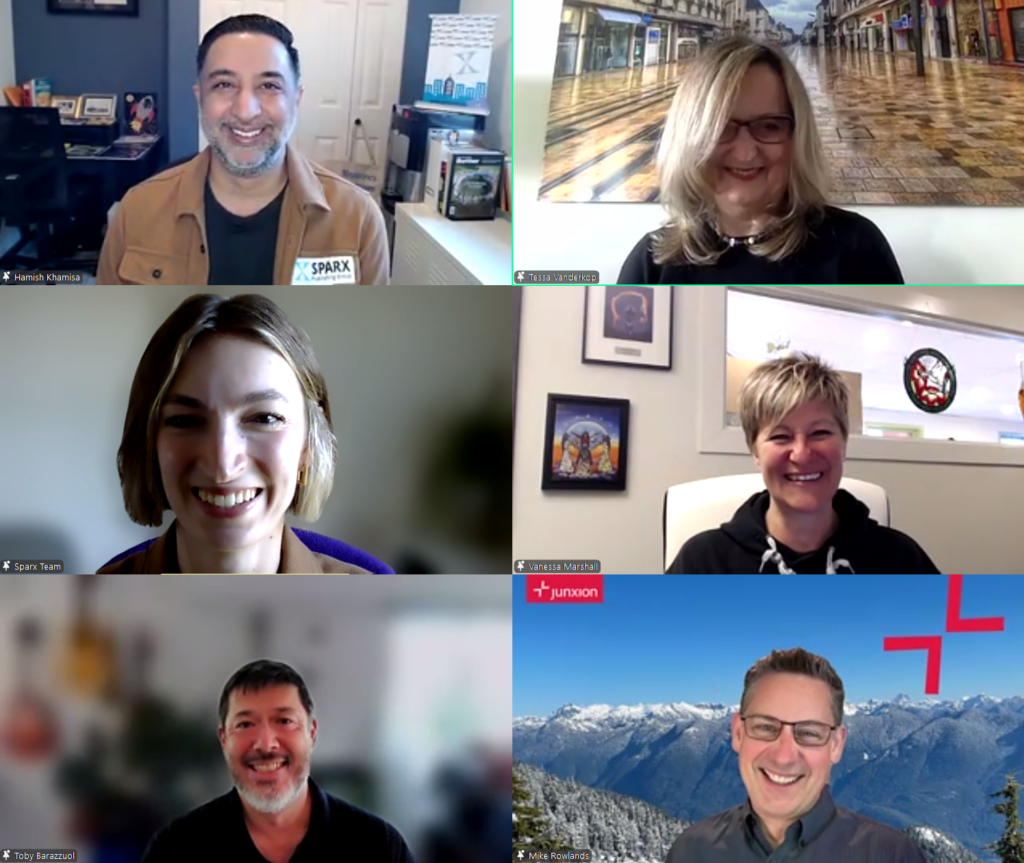
In November 2024, we launched our quarterly Purpose Connections webinar series, in collaboration with Tessa Vanderkop, Purpose Advisor, Trainer, and Community Builder, and began drawing connections between experts and like-minded folks across sectors, continents, and backgrounds, building up a community of people determined to do good, not just make a profit.

Since then, we’ve been honoured to have 11 speakers join us to inspire fresh viewpoints, offer unique insights, and motivate new steps in our own purpose-driven journey. 

In the midst of exciting new developments at Sparx, busy schedules, and ever-shifting world events, 2026 has taken off at a frantic pace. While it wasn’t possible to pull together a Q1 session amidst these conditions, we did have the chance to reach out to our amazing guests.

Experts at the intersection of business and purpose, we asked them to share some of their thoughts about the year ahead, as well as any advice they’d like to share for navigating the current milieu.

Read on for inspiration, insights, and perspectives on how to cut through the chaos and lead with purpose in 2026.

Toby Barazzuol, CEO of Eclipse Awards

Toby Barazzuol, CEO of Eclipse Awards and Sustainable Diversity Network Team Member at the David Suzuki Foundation, brought his sustainability, community building, and economic development experience to our “Purpose Pragmatism” session in May 2025.

Here is what Toby had to say in response to our question about what gives him hope for 2026:

“What gives me hope these days is seeing the resurgence of people caring for their neighbours and one another. Folks are reconnecting with community and rediscovering the importance of our social bonds. There is a growing sense of pride about standing together, and that is something that is good for us all.”

Dr. Victoria Hurth, Pracademic

A pracademic for long-term wellbeing for all (sustainability), Dr. Victoria Hurth collaborated with Sparx on the Wellbeing Economy issue of Make The World Better Magazine, and joined us to speak on two of our Purpose Connections sessions: our inaugural session in November 2024, and our most recent, “Beyond Profit – Cutting Through the Chaos to Build a Sustainable World.”

Check out what she had to say about her hopes for 2026 and the advice she would offer business leaders, investors, and clients to help guide them through the chaos:

“I sense that Trump is helping us wake up to what is at stake if we follow even further down the path of ‘Logic 1’ (BAU short-term financial self-interest) as the driver of decision making. We desperately need this shake-up. It will never be easy or painless, but we are not alive yet, as a global community, to what is at stake, and so fail to search for the real alternatives.

“Please read our book, Beyond Profit: Purpose-Driven Leadership for a Wellbeing Economy. I say this not to sell a book but because I genuinely see no real way forward than what is in that book—each of us becoming skilled in purpose governance and applying it at all levels of the systems we influence. It is written to be a guide to leapfrog over the chaos. I hope it helps with that.”

Mike Rowlands, CEO of Junxion Strategy

Mike Rowlands, Co-Founder of the Canadian Purpose Economy Project and Partner & CEO of Junxion Strategy, brought his entrepreneurial, strategic, purpose-driven expertise to our “Purpose Pragmatism” session.

This is what he had to say about his hopes for 2026 and his advice for facing whatever the year has in store:

“What’s giving me hope is the determined momentum we felt building at the end of 2024. On the business front, our clients are starting to invest in the things that they deem to be important as we continue to navigate the US shenanigans—and included in those investments are diligent thinking about social purpose, impact, and sustainability. So the wise businesses are staying the course—despite what the anti-conservation headlines might have us believe.

“Best advice: Stay steady. The skies aren’t falling (yet), and we need to keep looking past the bluff and bluster to the fundamentals beneath. Now is the time to—wisely and carefully—invest in purposeful growth, building organizational reach, capacity, and resilience. Don’t overspend. And don’t take on too much risk. But keep moving forward.”

Ben Renshaw, Executive Coach

Ben Renshaw, a leading speaker, executive coach, leadership advisor, and author who specializes in purpose-driven leadership, shared his insights at our inaugural Purpose Connections session in November 2024.

When asked about his hopes for the year and the advice he has to offer for organizations navigating today’s challenges, this is what he had to say:

“What gives me hope for the coming year is a growing recognition that the old playbooks are no longer sufficient. More leaders are acknowledging uncertainty rather than pretending it doesn’t exist, and that honesty is opening the door to more human, purposeful, and responsible forms of leadership.

“My advice to business leaders, investors, and clients is to anchor themselves in purpose as a source of direction, not aspiration. In chaotic conditions, purpose provides clarity for intent, guides better choices, and reduces unnecessary interference. Leaders who slow down enough to be deliberate, human, and values-led will be far better placed to navigate complexity and create sustainable performance.”

Joanne Norris, Consultant

Joanne Norris, an independent consultant who assists organizations with social finance, social enterprise, and impact investing, and has worked with WeBC and Social Venture Partners Vancouver, spoke on our “Capital & Purpose” session in February 2025.

Here is what she had to say about her hopes for 2026 and the advice she has for tackling ongoing and upcoming challenges:

“What gives me hope for the coming year? The increasing amount of conversations happening in investment and philanthropic circles about the impact of systems, and the power dynamics operating in these systems—who benefits and when, from the structuring and terms in system transactions.

“The power of effective, strategic collaborations continues to grow; more groups across sectors are interested in participating in nontraditional collaborations and partnerships. The power of engaging broader communities of interest in creative ways is at the heart of fruitful collaborations.

“[We’re seeing an] increasing profile of economic reconciliation ecosystem building across Canada, with new organizations (e.g., Fireweed Institute) and funds (e.g., EntrepreNorth, Raven Indigenous Capital Partners) establishing that fit the interests and needs of Indigenous entrepreneurs and economic projects.

“Best advice? In times such as these—chaotic—it’s important to stay connected to the values and motivations that propel us in life and work and stay true. [We] need to be clear on this.

“Times such as these also can instigate thinking differently; what opportunities have you been putting off that could be dusted off and revisited now? What potential collaborators are you not connected to but should be?

“In conversations that may be uncomfortable with team members or clients, be cognizant of judgement in your voice. Seek to understand, be curious and direct and avoid judgement. This approach enables more of a foundation of trust to be established in communications and collaborations.”

Carlota de Paula Coelho, Senior Policy Manager at B Lab

Carlota de Paula Coelho, Senior Policy Manager at B Lab and Member of the Technical Expert Group on EU Sustainability Reporting Standards at EFRAG, brought her expertise in legislation, corporate sustainability, technology, sustainable finance, ethical business, and ESG frameworks to our “Purpose and AI – Transforming the Economy” session in September 2025.

This is what she shared with us when asked about her hopes for the year ahead and her advice going forward:

“What gives me hope is that in the EU, there’s serious conversations on how to move from a ‘sticks-and-carrots approach’ with regards to purpose-driven businesses, and start thinking about how we can create market incentives for a stakeholder economy.

“My advice is Greenshouting*—not capitulation in the midst of a difficult time where we’re exposed to antagonism by government officials on one side of the Atlantic, and anti-greenwashing regulations on the other side.”

*Greenshouting is a term defined by B Lab as “the antidote to greenwashing: boldly celebrating real progress while backing it up with verified impact.”

Turning Inspiration Into Impact

Our heartfelt thanks to Tessa Vanderkop and all of our guests who have joined us in making purpose connections happen, and a special thank you to everyone who shared their 2026 outlooks with us.

Come whatever may in 2026, Sparx is proud of the impact stories we’re amplifying, the growing community we’re building together, and all the work being done to make the world better. 

We look forward to collaborating on new purpose connections sessions throughout the year—so stay tuned! And greenshouting? We can definitely help changemakers in the sustainability space with that.
Ready to share your social impact story? Sparx is here to make sure your voice cuts through the chaos, loud and clear. Contact us today for a free consultation.
Categories
Circular Economy Magazine Events Impact Inspiration & Initiatives

Circling Back: Sparx Publishing Group’s Year in Review 2025

Welcome to 2026! Challenges abound, but hope thrives in even greater measure, and purpose, community, and authentic storytelling are poised to take on a starring role.

As we embark on this new phase in our purpose-driven marketing journey, we’re reflecting on everything that made our 2025 a tale worth telling.

Keep scrolling for a look at some of Sparx’s brightest moments from the past year, including the debut of Circular Economy Magazine, our biggest mission-aligned event circuit to date, exciting values-driven partnerships, and more.

Debuting Circular Economy Magazine

In April, we launched the inaugural edition of our brand-new publication, Circular Economy Magazine. Made in collaboration with Circular Economy Leadership Canada (CELC) and Circular Innovation Council (CIC), the magazine explores what’s possible for the circular economy in Canada and highlights the exceptional organizations, governments, and businesses driving its awareness and adoption.

Making its debut at the Canadian Circular Economy Summit 2025, the bilingual issue dives into the inspiring stories of Canada Plastics Pact, CERIEC, CSA Group, Debrand, Fondaction, Fashion Takes Action (FTA) and the Canadian Circular Textiles Consortium (CCTC), L’Oréal Canada, Reverse Logistics Group (RLG) and Reconomy, Twenifor, Ville de Montréal, and featured special editorials on megatrends and key enablers from guest authors Paul Shorthouse and Jo-Anne St. Godard.

Following the success of Circular Economy Magazine at the Summit, we’ve decided to expand, with the goal of producing two issues a year, every year. We see Canada’s adoption of the circular economy as an integral step toward safeguarding the future for the generations to come, ensuring long-term wellbeing for all, and making the world better. 

That’s why we’re excited to grow the community around the magazine, spark connections with sustainability leaders, and share stories that inspire, all with the aim of supporting the acceleration and adoption of a circular future.

We invite leaders who are passionate about building a circular economy to join us by reading the magazine, spreading the word, and purchasing copies to equip your team with zero-waste insights. And, for greater impact, for every 12 copies purchased, two copies will be gifted to a Canadian post-secondary institution to inspire tomorrow’s circular economy leaders.

Other ways to support accelerating a circular future include exclusive advertising and sponsorship opportunities; the magazine is an ideal vehicle to help organizations tell their story, advance circular economy initiatives, and support made in Canada content. 

We’re proud of the good being amplified through Circular Economy Magazine, thankful to all the organizations that helped make Issue 1 a reality, and we look forward to continuing our circular economy journey.

Participating in Mission-Aligned Events

In 2025, we expanded our mission-aligned events circuit, travelling across Canada to join forces with changemakers, share insights, and support important initiatives in sectors we’re passionate about, from social purpose to sustainability. 

Here’s a list of some of the events we attended, along with our highlights:

Purpose Connections

Our Sparx-hosted impact events stretched beyond external events; we also co-organized four Purpose Connections sessions with Tessa Vanderkop, Purpose Advisor, Trainer, and Community Builder. 

Purpose Connections is a free, online gathering that brings together social purpose leaders, professionals, and advocates to tackle topics related to the purpose economy and integration of purpose into core business strategy. Replays of each webinar are available to watch on demand. 

In 2025, we explored the following topics:

Purpose-Driven Events

As part of our ongoing initiative to amplify and unite changemakers in our local community and beyond, we continued to build out our Purpose-Driven Events website, helping individuals and organizations find learning and networking opportunities that will help reach their impact goals, grow their audience, and connect with other like-minded folks. 

Additionally, we continued to spotlight purpose-driven events happening in Canada and internationally via our quarterly event blogs.

Be sure to visit our website regularly to discover events taking place in 2026!

Establishing New Collaborations

When it comes to purpose-driven partnerships, 2025 was a banner year for Sparx! We were proud to collaborate with so many like-minded individuals and organizations to make a real impact. 

PNW Climate Week

PNW Climate Week is a regional, community-powered event series that shines a spotlight on the Pacific Northwest’s role in climate leadership and innovation, so it was a natural fit for us as a Vancouver-based marketing agency to be a marketing partner for this year’s edition. 

We’re proud to have helped contribute to this regional event’s success and 2025’s significant media growth by crafting a series of social media posts, including ones that promoted events at the start and end of the week.

Circular Innovation Council

Along with teaming up with Circular Economy Leadership Canada and Circular Innovation Council to produce the first issue of Circular Economy Magazine, we continued our partnership with CIC to share their insights and tell the story of Circular Economy Month, an initiative we’ve been fans of for a long time.

Coast Waste Management Association

Coast Waste Management Association (CWMA) began in 1995 as a collaborative effort between the Capital Regional District, the Comox Valley Regional District, and the Regional District of Nanaimo to discuss and find solutions for managing solid waste, particularly in the unique coastal environment of British Columbia. Today, CWMA has grown to be a highly regarded membership association, serving a network of thousands of industry professionals.

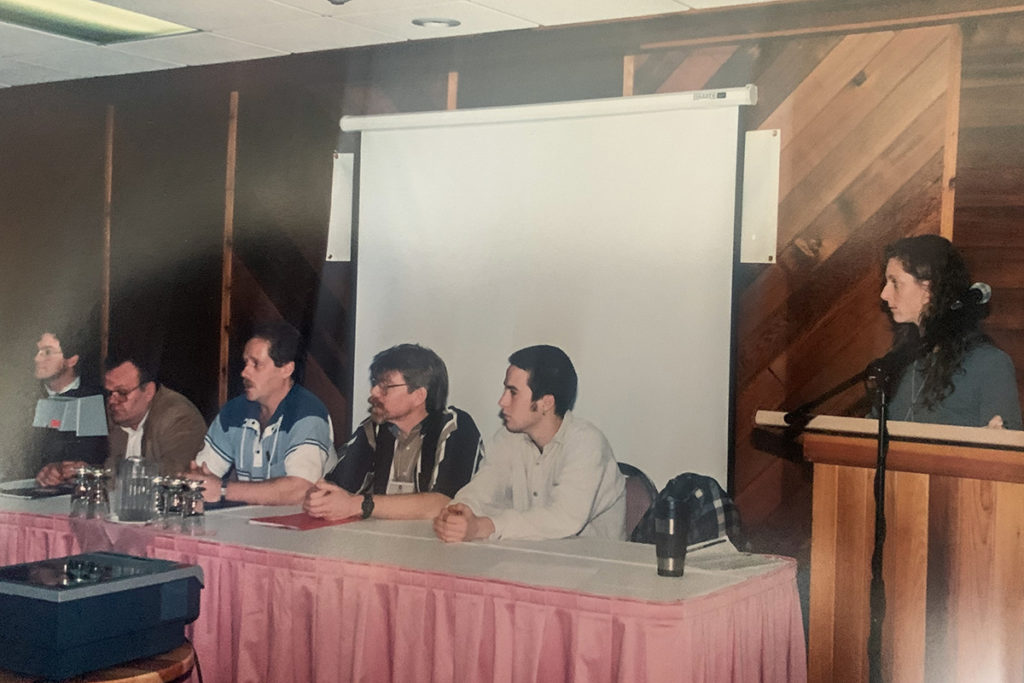
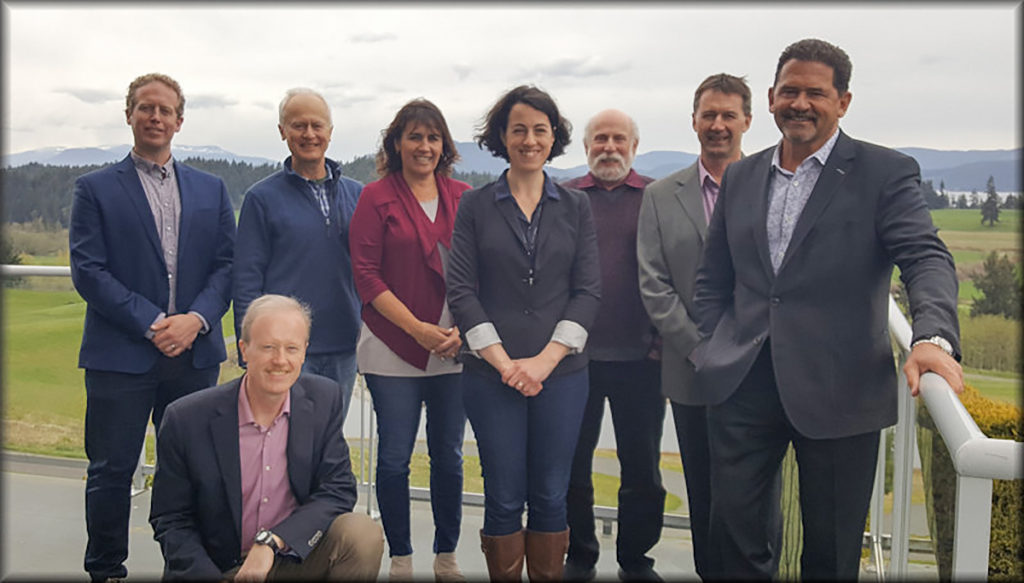
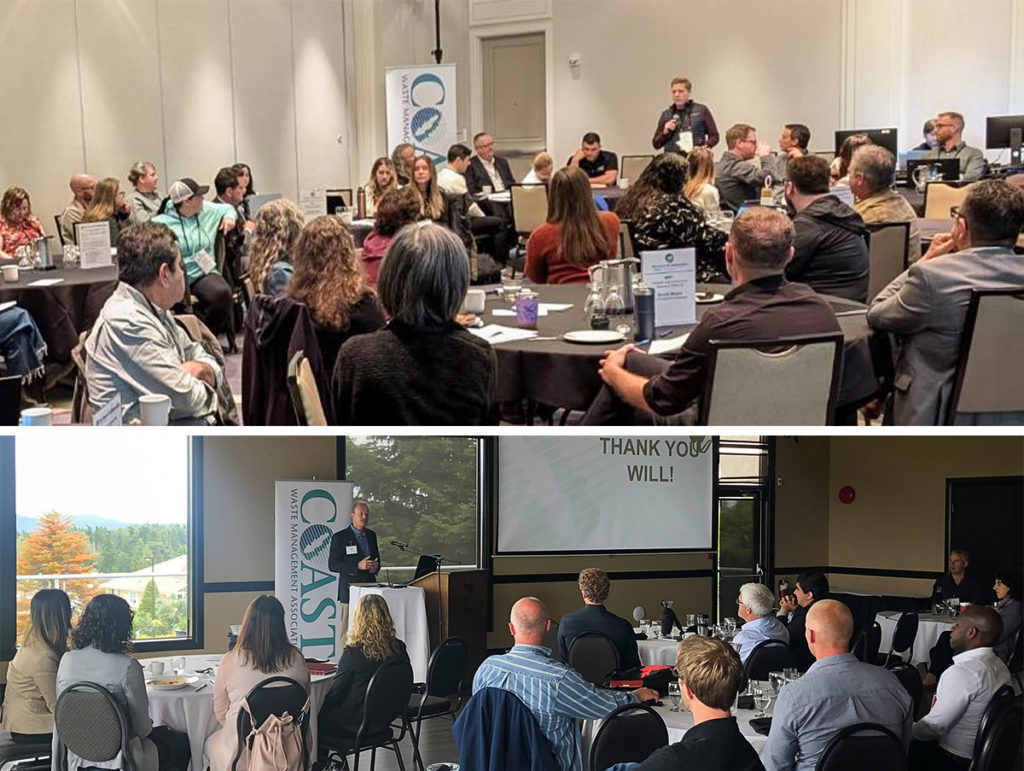
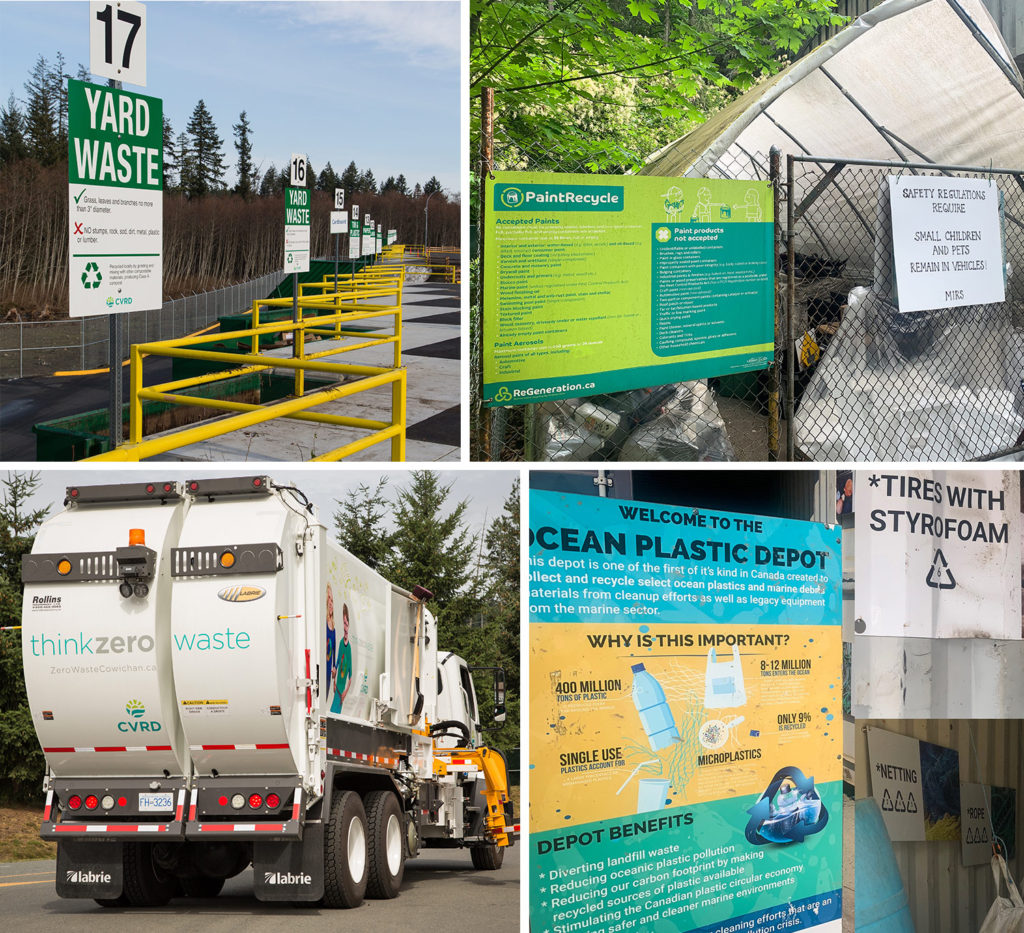
As a proud CWMA Heritage Preservation Partner at its Annual Conference in Victoria, we had the pleasure of speaking with four community members who have had a front-row seat to the progress CWMA has made and where it is heading. Plus, we had a blast attending this year’s ‘90s-themed conference!

Metro Vancouver and National Zero Waste Council

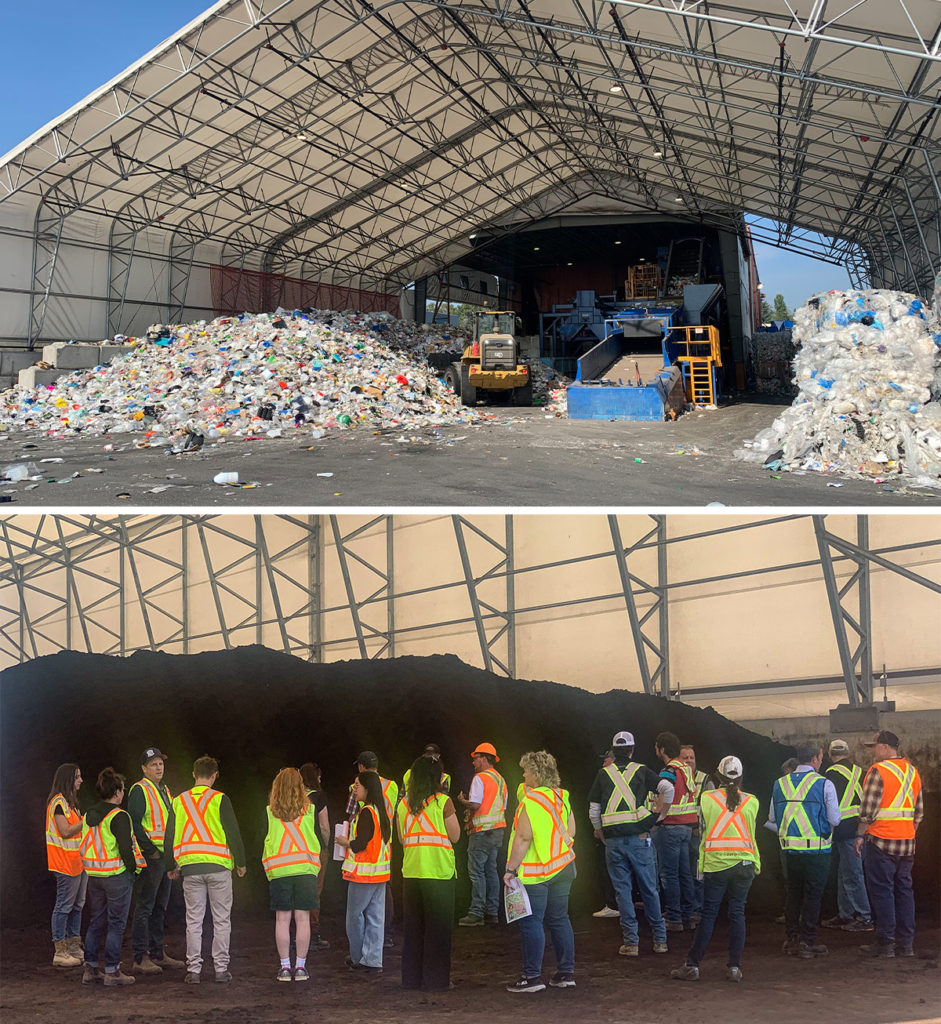
Anyone who’s followed Sparx for a few years is familiar with our history of attending and sharing insights from the Zero Waste Conference, presented by Metro Vancouver in collaboration with the National Zero Waste Council, an event focused on waste prevention, circular solutions, and climate. 

And in 2025, we were proud to be a partner for this game-changing event, to share the story of how it has evolved throughout the years, and to attend the 2025 edition alongside around 400 Canadian and international delegates.

Walking Our Talk

Beyond our efforts to collaborate with like-minded individuals and organizations, strengthen our connections at mission-aligned events, and amplify the important work of inspiring changemakers, we strive to “walk our talk” every day as a team and within our operations. 

Make The World Better Day 2025

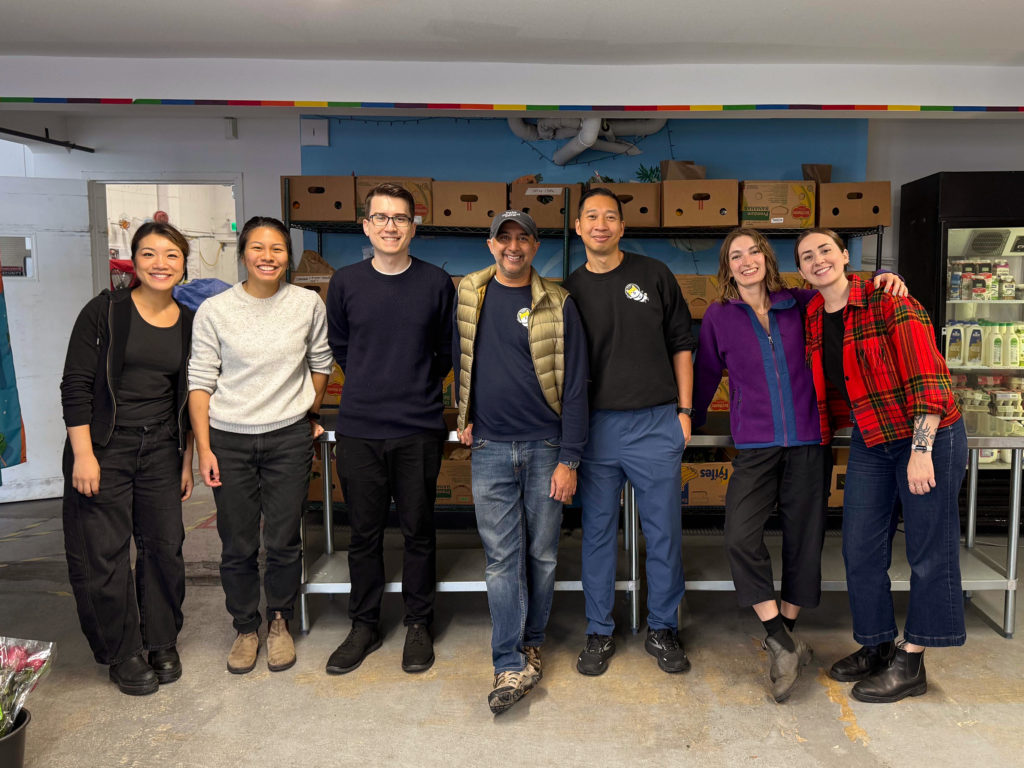
Our annual Sparx team event, Make The World Better Day, was “better” than ever! We celebrated big wins, including onboarding purpose-driven clients and community building; dove into a team-oriented strategy session, where we worked together to tackle upcoming Circular Economy Magazine goals; and wrapped up the day at Food Stash Foundation, where we packaged over 100 fresh produce boxes in support of the front-of-house market team.

Donating to Important Causes

Another way we support the crucial work of world-changing organizations in our community and beyond is to contribute monetarily. 

To this end, we’re privileged to work with clients, such as the Canadian Securities Exchange, that host and participate in events that help fund various charities. This includes the CSE’s Summit on Responsible Investment (SoRI), which helps raise money for the Central Okanagan Food Bank via contributions from attendees; Bay Street Rides FAR, an initiative that the CSE team bikes every year, which raises money for Autism Science Foundation Canada; and the CSE Market Close With José Bautista for SickKids event, which united Blue Jays legend “Joey Bats” and the SickKids Foundation to raise money for a good cause—all of which we proudly supported both by contributing financially and boosting awareness.

Our 2026 Outlook

At Sparx, there’s so much we’re looking forward to in the year ahead!

We’ll be doing what we do best all year-long: using marketing to advance important causes, amplify the impact of values-driven brands, and make the world better.

Speaking of impactful storytelling, Issue 2 of Circular Economy Magazine is already in the works! Focused on a specific, game-changing theme, we’ve got a line-up of fascinating participants who will be sharing their inspiring stories. We can’t wait to publish the second edition and to continue exploring what’s possible for the circular economy in Canada and beyond.

We’ll also be co-organizing new Purpose Connection sessions and engaging in more collaborations throughout 2026.

Plus, we’ve started planning our event calendar for the year. Be sure to catch us at RCBC’s 2026 Circular Economy Conference: Connecting the Dots, Greater Purpose Conference West, Victoria Forum, the 2026 Canadian EPR Forum and more.

We’re excited to embark on 2026, find new stories to amplify, and make a lasting impact, together.

Write the Next Chapter of Your Purpose-Driven Story

Isn’t it time for your story to be heard? Sparx is here to amplify your impact and make your story shine. Let’s write the next purpose-driven chapter together. Contact us today for a free consultation.
Categories
Events Impact Inspiration & Initiatives

Exploring Social Impact at Greater Purpose Conference East

Purpose is at the heart of everything we do at Sparx. With our passion for igniting impact stories, our mission to make the world better, and our role as co-organizers of the Purpose Connections webinar series, we’re always ready to leap at the chance to make new, values-driven connections and collaborations.

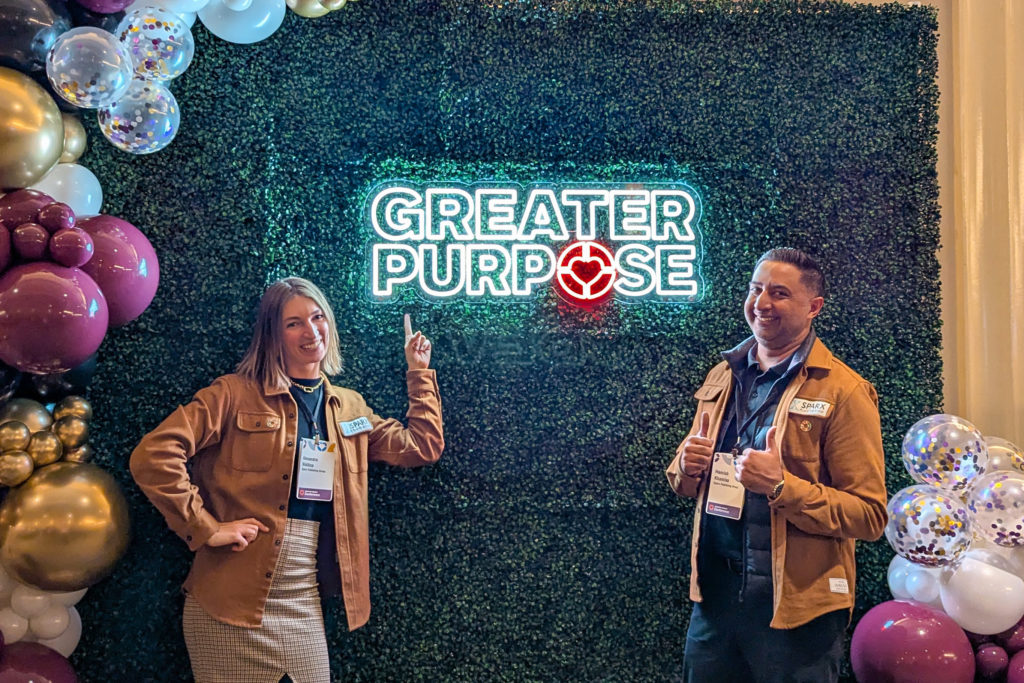
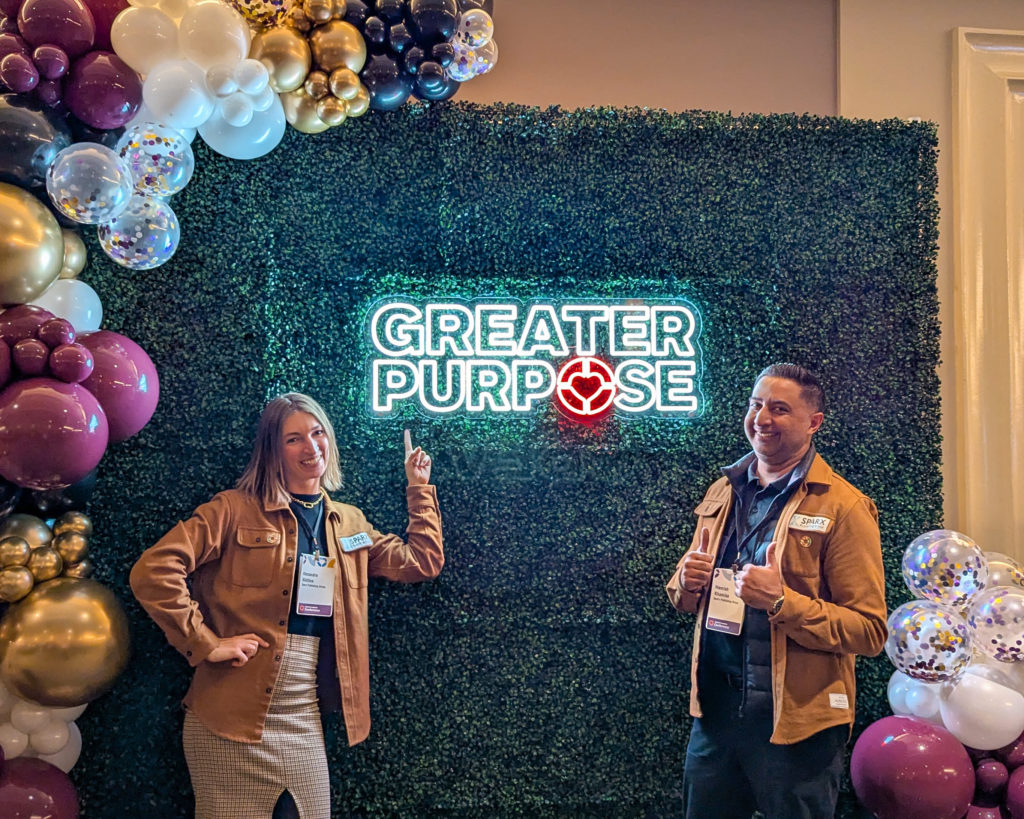
This past October, Hamish Khamisa, Sparx President & Founder, and Alexandra Nikitina, our Head of Growth, travelled to Toronto to join forces with the purpose-driven community at the Greater Purpose Conference East. With the goal to amplify impact and shape the future, the energy at the event was high, sessions were diverse, and everyone was consumed by the excitement of the Blue Jays playing in the World Series. 

Keep scrolling for our key highlights, including takeaways from sessions on social purpose storytelling, initiatives that are good for people and planet, and how the event made a positive impact.

Setting the Stage for Positive Impact

Purpose was sparking at The Carlu, a historic Art Moderne venue in downtown Toronto. Over 300 attendees from Toronto and across Canada, including delegates from purpose-driven businesses in Vancouver, gathered together at this converted cinema to discuss all things impact, including several non-profits, charities, foundations, and prospective funders. 

We spent most of the two-day conference seated at roundtables while listening to speakers on stage discuss purpose-aligned topics. Networking breaks provided a valuable chance to connect, mingle, and stretch our legs. 

It was great catching up with our network of purpose-driven friends, including our peers from the Canadian Purpose Economy Project; learning about the good being done by foundations and non-profits in Toronto; and attending insightful sessions, all while enjoying the delicious food served at the event.

Social Purpose Storytelling

At Sparx, we’ve always championed storytelling and its role in amplifying good—it’s what we do best! So we were thrilled to see the conference schedule stacked with multiple sessions about this exact topic.

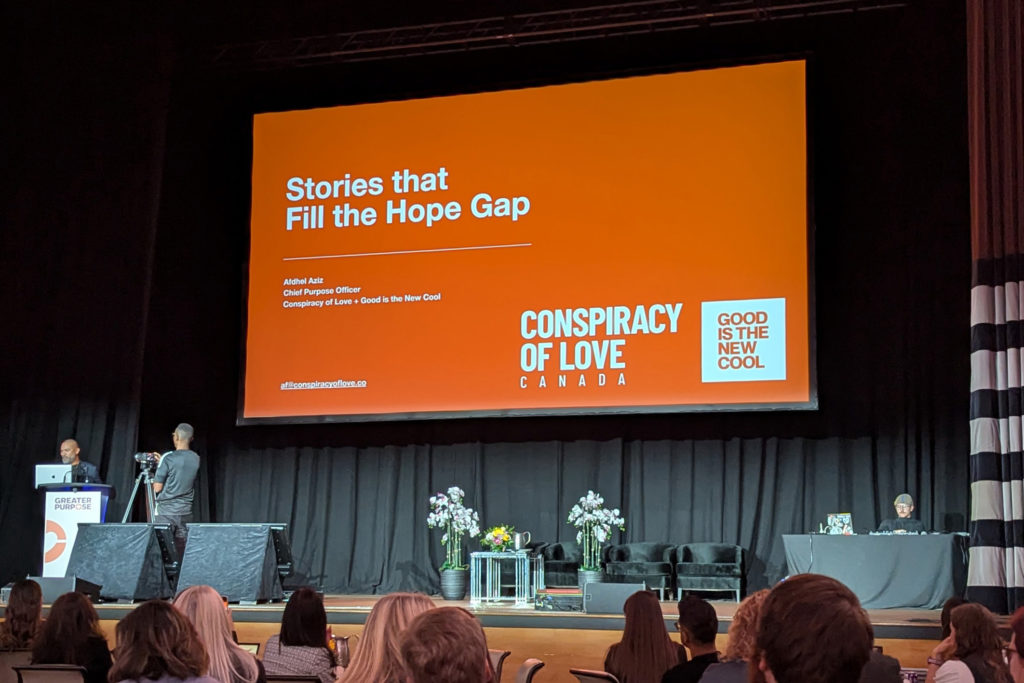
Day one featured the closing keynote, “Stories that Fill the Hope Gap – A New Playbook for Values-Driven Storytelling,” with Afdhel Aziz, Founding Partner and Chief Purpose Officer of Conspiracy of Love and Co-Founder and Chief Creative Officer of Good is the New Cool. The keynote explored how stories have the power to heal, unite, and drive change; actionable tools and fresh strategies for values-driven storytelling; and turning purpose into powerful narratives that engage audiences and drive results.

Sharing stories of hope has long been an active part of our operations, especially through our in-house publication Make The World Better Magazine, so this session really resonated with us. We encourage you to check out the full replay for some major inspiration!

On the second day of the conference, we found the keynote, “How to Tell Stories That Mobilize Support and Shift Systems,” with filmmaker Inder Nirwan, CEO of Kahani Pictures, particularly intriguing in the context of today’s digital climate. As our world becomes increasingly overrun with AI-generated content, authenticity and human ingenuity are more important than ever, and long-form films are standing out more and more. 

Along with sharing his tale of social purpose storytelling through the creation of documentary-style videos, Inder Nirwan emphasized that storytelling isn’t just for marketing purposes but is a powerful catalyst for positive change. It’s imperative that purpose-driven leaders find ways to overcome the challenge of effectively communicating the good they’re doing in a way that sparks emotional connections. 

Finally, the session, “The Impact Stories the World Needs in 2026,” with Phillip Haid, CEO of Public Inc., was a standout. Today, organizations striving to do good find themselves pitted against an increasing number of communications challenges, and, for many, the struggle to tell their impact story has become harder than ever before. 

Phillip Haid sought to address these challenges by sharing inspiring social impact stories. These examples helped demonstrate what effective and meaningful storytelling can look like in various formats and media, including commercials, which we found fascinating to watch.

Storytelling was such a large focus that the conference was concluded by Allyson Hewitt, Founder and CEO of Consultants in Social Innovation, who gave a poetry recap of the whole event.

Good For People and Planet

Speaking of engaging narratives, during the conference, we got to see powerful storytelling on display first-hand. We learned about several social purpose initiatives that are doing good for people while contributing to a more sustainable world.

One remarkable initiative we learned about was the Washing Machine Project, which sets out to solve the burden of handwashing in low-income, remote, and displaced communities by designing, manufacturing, and distributing manual washing machines. These machines save 75% of the time associated with handwashing clothes, reducing a typical 2.5-hour wash to only 30 minutes, and saving 50% of the water, improving the lives of over 46,000 people. We were thrilled to chat with Dr. Navjot Sawhney, the project’s founder, about how he travels with the Divya Washing Machine.

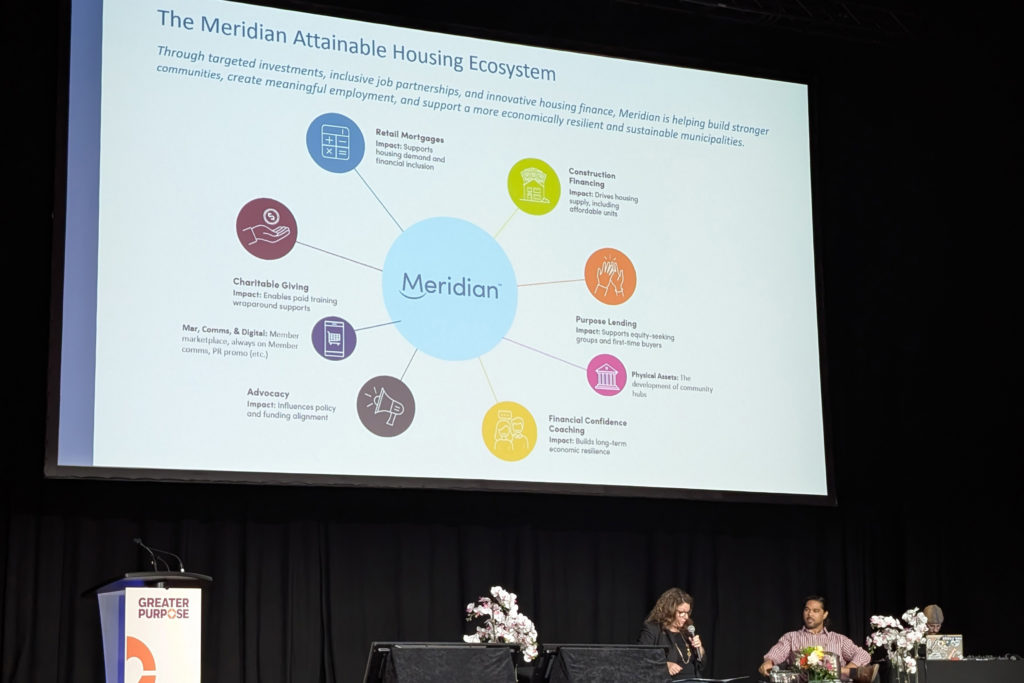
Another initiative that caught our attention was the Meridian Attainable Housing Ecosystem. Comprised of several impact areas, including construction financing, purpose lending, financial coaching, charitable giving, advocacy, and marketing and communications, the ecosystem endeavours to assist with community building and meaningful employment, empowering municipalities to become more sustainable and economically resilient. Meridian achieves this through innovative housing financing models, targeted investments, and inclusive job partnerships.

Doing Good Onsite

Along with inviting agents for social change to share their stories, doing good was embedded into the Greater Purpose Conference East itself. Thanks to partnering with Be One To Give, surplus food from the event was collected and distributed to non-profits and other organizations that support food-insecure folks.

Do Good Donuts and Café also set up an amazing and delicious donut wall, and we were more than happy to take a bite. Especially since we love the work Do Good is doing to deliver work-based training for young adults with developmental and intellectual disabilities, equipping them with skills, confidence, and experience to succeed in finding employment in the community.

Plus, there were opportunities to participate in Kits for a Cause and visit with therapy dogs.

The Conference also stood as a platform for facilitating partnerships and collaborations, with a strong focus on sparking connections between philanthropic organizations and donors to help support and amplify their good.

Notably, the Greater Purpose Conference is increasingly focusing on driving positive corporate social impact, shifting its narrative from the “Partnership Conference” to the “Purpose Conference” for the first time this year. The Conference has made a good start, and we look forward to seeing how its story progresses.

Shift the Narrative Through Values-Aligned Communications

Challenges, tensions, and geopolitical factors remain at play in the social purpose, non-profit, and philanthropic sectors, but are not insurmountable. Honest, engaging, and values-driven storytelling has the power to help overcome these issues and drive real positive change.

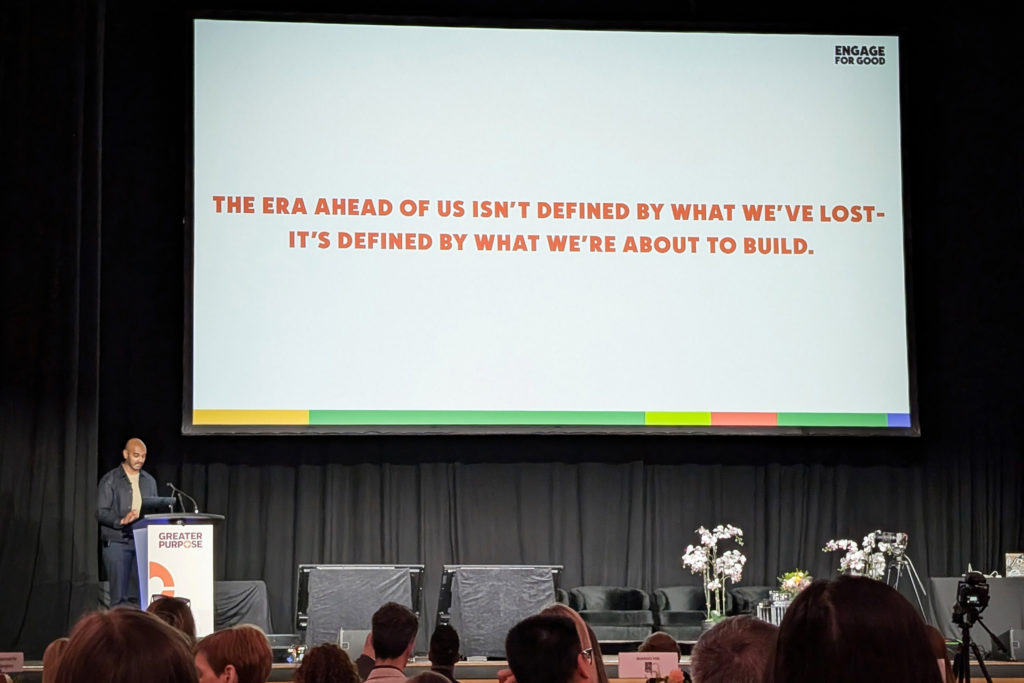
In the session, “The Golden Era of Corporate Partnerships Is Over – But We’re Building a Better One,” Muneer Panjwani, CEO of Engage For Good, said, “Reputation looks backward. Reputation is fickle. It’s time-bound. But relevance shapes the future. The question isn’t ‘how good do we look?’ It’s ‘how dispensable are we to solve for what’s next?’” A question that gave Sparx, in our role as purpose-driven marketers, a lot to reflect on.

And, as noted in the 2025 Conscious Consumer Report by Public Inc., which was presented at the event, “Keep speaking out on the issues that matter. But remember, it’s both what you say and how you say it that will determine success.” We will continue to assist values-aligned organizations and individuals in communicating their contributions to a better world, sharing their stories the right way.
Ready to share your social purpose story? Sparx is here to make sure your voice is heard, loud and clear. Contact us today for a free consultation.
Categories
Impact Inspiration & Initiatives

Celebrating 30 Years of Coast Waste Management Association

Coast Waste Management Association (CWMA) began in 1995 as a collaborative effort between the Capital Regional District (CRD), the Comox Valley Regional District (CVRD), and the Regional District of Nanaimo (RDN) to discuss and find solutions for managing solid waste, particularly in the unique coastal environment of British Columbia.

Today, CWMA has grown to be a highly regarded membership association, serving a network of thousands of industry professionals. It continues to foster environmental leadership through a variety of forums, including ongoing working groups, roundtables, a resource library, and a well-established annual conference. 

As a proud CWMA Heritage Preservation Partner at its upcoming Annual Conference in Victoria, we had the pleasure of speaking with four community members who have had a front-row seat to the progress CWMA has made and where it is heading.

Carey McIver, a Founder and former Board Chair, is a solid waste management specialist with over 30 years of experience. As the former Manager of Solid Waste for the RDN, she implemented an award-winning zero-waste program and has since started her own consulting firm.

Peter Grant, the longest-sitting board member with CWMA, is the Recycling Depot Program Manager of Salt Spring Island Community Services and has been since the early ’90s. Born in Norway and raised in Montréal, Peter has a storied career which spans oil and gas and hospitality.  

Tera Grady is the Manager of Solid Waste for the Cariboo Regional District. Additionally, Tera is Co-Chair for the BC Product Stewardship Council, sits on advisory committees for two stewardship agencies, and works with IZWTAG and Recycle BC to help facilitate recycling for First Nation communities.

Sheila Molloy is an independent contractor with her current key role as Executive Director of the Coast Waste Management Association. Formerly a partner in a venture team and entrepreneur with three businesses under her belt, Sheila holds many educational and professional credentials.

What inspired the creation of CWMA back in 1995, and what was the association’s original vision?

Carey McIver (CM): The mayor of Nanaimo at the time, the late Joy Leach, directed the Association of Vancouver Island Municipalities (AVIM) to set up a task force to establish cooperative marketing of recyclables on Vancouver Island. I was the staff person leading the task force. While we didn’t establish cooperative marketing, we did create CWMA as a vehicle for networking, education, and information sharing.

Peter Grant (PG): Most of us involved with CWMA were trying to accept and market materials that had a changing value in the marketplace. The goal posts kept moving. Before the BC Recycling Regulation came into effect in late 2004, prices and markets were everywhere (and at times nowhere). When it did take effect, we also saw it would be many years before the various [extended producer responsibility programs] would actually be up and running.

In those early years, what was the biggest waste management challenge you were focused on solving?

CM: In the ‘90s, the biggest waste management challenge was the introduction of residential curbside recycling, as well as commercial recycling by way of disposal bans on readily recyclable materials such as cardboard and office paper.

Over the past three decades, what milestone or turning point has stood out most to you?

CM: For me, the biggest milestone was when the RDN achieved a diversion rate of 70% and a disposal rate of 300 kilograms per capita. This achievement set an example for other mid-size local governments.

PM: That would be the Packaging and Printed Paper (PPP) Legislation, and a few years later, its implementation. This brought so much of what was being recycled under extended producer responsibility.

Tera Grady (TG): The rocket ship that took off during COVID-19 that took us all on a trip to virtual: working groups, info sessions, conferences, and webinars!

Sheila Molloy (SM): I think the pandemic was a turning point, expanding our role as a connector and information hub. The CWMA’s success has always been rooted in its ability to serve as a neutral and welcoming association for all sectors of the waste management industry. Having to pivot to all-virtual forums opened the doors for greater connections, which have been instrumental in creating new collaborations, learning, and the creation of best practices for managing and reducing waste in British Columbia. 

How has CWMA’s mission evolved to address today’s environmental and waste challenges?

PG: We started out trying to have an association that could find ways to market materials together to get optimum results. Then, over the years, it became more focused on networking and finding best practices, which is still our focus today.

Everyone (E): Overall, we have expanded our focus from traditional waste management to a comprehensive approach that prioritizes waste reduction, addresses new challenges, and actively integrates environmental and social values. We now serve as a key resource and catalyst for change, helping our members and the broader community navigate and solve the complex waste challenges of the 21st century.

With over 70 events and meetings annually, it’s clear CWMA is very active. Which recent initiatives or gatherings are you most proud of?

E: Every event we organize matters—whether it’s an intimate working group of 10 or a dynamic roundtable bringing together 140 people to share knowledge and learn from one another. The History of EPR event, however, held special significance. It marked the beginning of our vital work to document and preserve our collective story. In a rapidly growing sector where retirements and constant movement are inevitable, we risk losing the rich history of our achievements and hard-won lessons. Taking time to archive our shared journey is essential for honouring our past and guiding our future.

How do you approach balancing industry priorities with environmental responsibility?

E: The balance can be tough, given that we need to foster a collaborative environment within a diverse industry. Our members—ranging from businesses to government organizations and individuals—all have different approaches and priorities when it comes to environmental issues. 

Our approach is to act as a translator and convener. We aim to understand each member’s core focus and environmental values, bringing everyone to the table with mutual respect. While we don’t expect everyone to agree, our goal is to help bridge these perspectives and facilitate a shared understanding.

As an organization, we also work to lead by example. We are committed to thoughtful environmental practices in all we do, from implementing food waste reduction at our events to ensuring every event is fully accessible to all participants.

Looking ahead, what do you see as the most pressing waste management challenge(s) in the next decade?

CM: We still haven’t managed to change our consumer culture. It will also be more difficult to get beyond 70% diversion.

TG: Expansion of extended producer responsibility, management of demolition waste, asbestos abatement related to natural disasters.

E: It boils down to behaviour change and consumption, construction and demolition waste, and disaster debris management. Optimistically, the solutions exist for most of these challenges, but they require coordination between technology development, policy frameworks, and community engagement. This requires collaboration, cooperation, and relevant information for decision makers in our industry and with others. 

What role do you hope CWMA will play in shaping the future of waste management in BC and beyond?

TG: Continuing to provide relevant webinars and bringing waste managers together to network and learn.

E: We want to keep fostering a vibrant, action-oriented, problem-solving community by building forums and having resources at everyone’s fingertips. We also want to archive the history and work we are all doing to ensure it lives on as a point of comparison and a reflection of our successes.

When CWMA reaches its 40th anniversary, what accomplishments would you most like to be celebrating?

E: That we are still a leading industry resource for developing best practices in waste management and reduction.

Categories
Impact Inspiration & Initiatives

Circular Economy Month: Building Momentum With Circular Innovation Council

There’s been a groundswell of awareness and support for a circular economy in recent years as a sustainable alternative to the traditional “take-make-waste” economy, thanks to the incredible work of world-changing individuals and organizations, such as Circular Innovation Council.

First established as Recycling Council of Ontario in 1978, Circular Innovation Council (CIC) began with a focus on a more environmental and economical way of redefining waste and reintegrating it back into production as valued resources. Today, CIC is progressing the circular economy through a variety of national programs, pilots, and events, including the Canadian Circular Economy Summit, Circular Economy Month, and many more. 

As big fans and collaborators of Circular Innovation Council, including the first-ever issue of Circular Economy Magazine, made in collaboration with CIC and Circular Economy Leadership Canada, we are thrilled to partner with them again to tell their story and share insights on Circular Economy Month, which takes place every October. 

Keep reading for our exclusive interview with Circular Innovation Council. 

For those unfamiliar, what is Circular Economy Month, and why is it important for Canadians?

Circular Economy Month is a national campaign every October that celebrates and promotes circular solutions. Practices like sharing, reusing, repairing, and recycling are important because they highlight how, as a society, we need to transition from a “take-make-waste” model of consumption to one that keeps resources in use longer. Everyday actions, big and small, can make our communities more sustainable and resilient. It’s an annual invitation to learn, take action, and celebrate progress. 

How did Circular Economy Month first come about, and how has it evolved since launching in 2022?

Circular Economy Month is an evolution of the Waste Reduction Week in Canada campaign that we activated with partners across the country in October every year since 2001. The momentum started in the mid-1980s, when recycling councils and municipalities started coming together to coordinate recycling education and collection events. 

Over the years, Waste Reduction Week became an annual celebration and reminder to take action, engaging thousands of Canadians across the country each year. In 2022, we expanded it into Circular Economy Month to reflect a bigger vision and keep the momentum going longer than one week.

How does Circular Innovation Council’s mission align with the goals of Circular Economy Month?

Our mission is to put circular economy concepts into action, and the Circular Economy Month campaign helps us do that. The goal of the campaign is to promote action, inspire innovation, and celebrate our successes.

Do you have a favourite success story or moment from past Circular Economy Months?

Our favourite moments are always seeing communities come together to plan events that promote circular action — from repair cafés to swap events to public art installations. As the organizers of the campaign, we’re always thrilled by all the creative and impactful initiatives that organizations and governments implement each year!

What are the main goals you hope to achieve this October?

This year, our main goal is to highlight how circularity strengthens communities and builds economic resilience. We want people to see that it’s not just about the environment; it’s about an entire systems change that strengthens local supply chains/economies, creates jobs, builds skills, and makes life more affordable. By spotlighting stories and solutions from across Canada, we hope to inspire people to take action in their homes, schools, workplaces, and communities.

Within the overall annual campaign theme, communications each day during the month focus on the following key topics: Monday is construction, Tuesday is textiles, Wednesday is electronics, Thursday is plastics, Friday is food, and the weekend is share, reuse, repair. Can you explain why you chose daily themes?

The daily themes were started during Waste Reduction Week 2017, and over the years, have become a very popular part of the campaign, as they help participants focus their education and communications efforts. Each weekday educates on key material streams, and the weekend promotes hands-on action, like swap events, repair cafes, and community sharing.

How can individuals and organizations get involved and make a difference?

There are so many ways to participate. Individuals can start small: repairing something instead of replacing it, organizing a swap with friends, or choosing reused or recycled products. Organizations can join by hosting events, engaging employees through activities like the Circular Canada challenge, and joining the conversation on social media using the program hashtag #CircularEconomyMonth. A great first step is visiting circulareconomymonth.ca, where you’ll find promotional resources, ideas, events, and educational information about the circular economy.

What are some of the key activities, events, or campaigns people can expect to see in October?

This October, expect to see a mix of local community events, webinars, and inspiring social media content. The 2025 campaign theme is “A Stronger Community for All,” which will focus on the socioeconomic benefits of circularity as a solution to build stronger communities, strengthen Canada’s supply chains, and make life more affordable for Canadians. Follow along through the hashtag #CircularEconomyMonth to see educational content and videos that highlight community action across the country!

We are also running a Circular Canada challenge that calls on Canadians to take a series of circular actions throughout the month of October.

In your view, what’s the biggest barrier to adopting circular economy principles in Canada?

One of the biggest barriers is the way that our current systems — from how products are designed to how waste is managed — are still built around a “take-make-waste” model. Shifting to a circular economy requires collaboration, new infrastructure, policies, and business models, as well as public awareness and behaviour change. The good news is that momentum is growing, and campaigns like Circular Economy Month help build the transition by showing what’s possible.

How do you see Circular Economy Month evolving over the next few years?

We see it continuing to grow as Canada’s leading platform for educating about the circular economy and encouraging action at every level. As more Canadians, governments, and organizations embrace circularity in their daily lives, policies, and business models, we’ll have more stories to share. Our future is about making circular solutions mainstream and celebrating Canada’s progress. 

Categories
Events Impact Inspiration & Initiatives

30 Purpose-Driven Events to Attend in April – June, 2025

As we move through 2025, purpose-driven events continue to create spaces for meaningful conversations, collaboration, and impact across key areas like the circular economy, diversity and inclusion, climate action, and social justice. Whether you’re looking to deepen your knowledge, connect with industry leaders, or take action on critical global issues, these events provide an opportunity to drive change.

We’ve tracked down 30 learning, collaboration, and networking opportunities, both online and in-person, in Canada and globally, so you can stay engaged and inspired.

Keep reading to learn all about the purpose-driven events happening this April, May, and June.

April

A Path Forward: Anti-Racism in Action, From Individuals to Organizations

Date: April 1, 2025, from 1:00 PM – 2:00 PM EDT
Location: Online

Description: Join this webinar for practical strategies to combat racism, promote equity, and build a more inclusive workplace and community.

UN Global Compact Network Canada – Climate Action Accelerator: Information Session

Date: April 2, 2025, from 10:00 AM – 11:00 AM EDT

Location: Online

Description: This live Q&A session provides insights into the Climate Action Accelerator program, outlining what participants can expect to learn and achieve while addressing any attendee questions.

Basque Circular Summit

Date: April 2 – 4, 2025

Location: Bilbao, Spain

Description: This summit explores the progress and opportunities of the circular economy, addressing key environmental challenges such as climate change, resource depletion, and biodiversity loss to pave the way for a sustainable economic model.


TED2025: Humanity Reimagined

Date: April 7 – 11, 2025 

Location: Vancouver, British Columbia

Description: This conference brings together global leaders from over 30 industries to envision what human flourishing could look like in the future, whether enabled by AI’s superpowers, revolutionary biological technology, or new expressions of creativity, kindness, and connection.

Indigenomics IMPACT
Date: April 8 – 9, 2025
Location: H.R. MacMillan Space Centre, Vancouver, British Columbia
Description: This inaugural gathering is an immersive journey into Indigenous economic reconciliation through XR storytelling, digital landscapes, and interactive exhibits.

UN Global Compact Network Canada – Virtual Informational Session

Date: April 9, 2025, from 1:00 PM – 2:00 PM EDT

Location: Online

Description: Canadian companies are invited to learn about joining the UN Global Compact, its initiatives, programs, and events. Discover how your organization can drive impact through sustainability.

Embedding Purpose in Corporate Governance: A Panel Discussion With In-House Counsel  

Date: April 10, 2025, from 12:00 PM – 1:00 PM EDT
Location: Online

Description: This webinar brings together in-house counsel from leading organizations to discuss aligning corporate goals with purpose, navigating legal complexities, and integrating purpose into governance and business operations.

CAMSC Procurement Fair 2025

Date: April 15 – 16, 2025

Location: Beanfield Centre, Toronto, Ontario

Description: Organized by the Canadian Aboriginal and Minority Supplier Council and presented by Manulife, this two-day conference offers networking, knowledge-sharing, and discussions on AI and ESG, with a focus on future-proofing supplier diversity.

Canadian Circular Economy Summit 2025

Date: April 15 – 17, 2025 

Location: Fairmont Queen Elizabeth, Montréal, Québec

Description: Sparx is proud to sponsor and attend this summit, uniting leaders across industries to share insights, forge partnerships, and accelerate Canada’s transition to a circular economy. We’ll also be sharing copies of the first-ever issue of Circular Economy Magazine, launched in partnership with Circular Economy Leadership Canada and Circular Innovation Council.

4WARD Global Climate & Sustainability Networking Meetups Vancouver

Date: April 18, 2025, from 6:00 PM – 7:30 PM PDT

Location: Starbucks – 658 Homer Street, Vancouver, British Columbia

Description: At this monthly meetup, connect with 4WARD founders and climate professionals to discuss innovative solutions in the fight against climate change.

Earthx2025 Congress of Conferences

Date: April 21 – 25, 2025

Location: Hilton Anatole, Dallas, Texas

Description: Hosted by EarthX, this forum connects advocates, investors, accelerators, and researchers working to create a sustainable world for future generations.

2nd International Conference on Business, Health, and Climate

Date: April 22 – 25, 2025

Location: Québec City Convention Centre, Québec City, Québec

Description: This conference brings together global leaders to tackle the interconnected challenges of sustainable development, health equity, and climate resilience.

From Scope 3 to Success: Mastering Supply Chain Climate Action

Date: April 24, 2025, from 9:00 AM  – 10:00 AM PDT

Location: Online

Description: Sponsored by CEEZER, this expert panel explores practical ways to scale climate initiatives across supply chains, engage suppliers, and leverage carbon credits.


DC Climate Week

Date: April 28 – May 2, 2025

Location: Washington, DC

Description: Taking place over five days, this conference focuses on a unique theme each day, giving attendees the opportunity to engage with policymakers, learn from experts, and explore cutting-edge climate solutions.

Circularity

Date: Apr 29 – May 1, 2025
Location: Colorado Convention Center, Denver, Colorado 

Description: This premier event focuses on accelerating systems change, empowering attendees to rethink how we make, sell, and circulate products in order to build a just, resilient, and regenerative economy.

SPARK Toronto 2025

Date: April 30, 2025, from 1:00 PM – 7:00 PM EDT 

Location: EY Tower, Toronto, Ontario

Description: Under the theme “From Global to Local,” this event examines recent global progress and challenges faced by 2SLGBTQIA+ communities, emphasizing the crucial role of local action in driving systemic change and equity.

May

Passive House Canada Conference

Date: May 5 – 7, 2025

Location: Delta Hotels Ottawa City Centre, Ottawa, Ontario

Description: This annual event is designed for those passionate about advancing low-carbon, high-performance, sustainable building practices. This year’s theme, “Building Our Low Carbon Future,” explores key issues like climate change, health, and innovation in building practices.

Canadian Centre for Diversity and Inclusion – Asian Heritage Month Panel

Date: May 6, 2025, from 1:00 PM – 2:00 PM EDT

Location: Online

Description: Celebrate Asian Heritage Month with a webinar featuring community leaders who have made significant contributions to supporting Asian professionals and fostering career advancement.

2nd Annual World ESG and Climate Summit

Date: May 13 – 14, 2025

Location: Amsterdam, Netherlands
Description: This international event focuses on sustainability development, the integration of ESG principles across industries, and innovative solutions to pressing environmental and social challenges.


The Purpose Summit 2025

Date: May 13 – 15, 2025

Location: Charlotte, North Carolina
Description: Want to learn from and collaborate with other purpose-driven leaders? Join this summit to reignite your passion, expand your organization’s impact, and explore strategies for driving meaningful change.

Benevity Live!

Date: May 13 – 16, 2025

Location: Palm Springs, California
Description: This annual conference unites together purpose-driven professionals to explore and enhance social impact initiatives and drive meaningful change within their organizations.

Business for Social Good Summit 2025

Date: May 16, 2025, 8:30 AM – 12:00 PM PDT

Location: Fairmont Hotel Vancouver, Vancouver, British Columbia
Description: This event explores “The Promise and Peril of AI”,  examining whether AI will revolutionize business or disrupt the economy. Attendees will hear from experts before engaging in their own discussions.

California Green Building Conference

Date: May 22, 2025

Location: San Francisco, California
Description: Attendees of this leading green building conference will discover the latest advancements in sustainable building practices while networking with industry professionals and innovators.

JEDDI Seminar: Advancing the Calls for Justice

Date: May 23, 2025, 1:00 PM – 2:00 PM PDT

Location: Online
Description: Join UBC’s Peter P. Dhillon Centre for Business Ethics and Ch’nook for this session on advancing the calls for justice with Katelynn Carter-Rogers, Assistant Professor at St. Francis Xavier University.

Sustainability LIVE: Chicago

Date: May 28 – 29, 2025

Location: Chicago, Illinois
Description: Want to drive your sustainability agenda forward? This event offers a platform to elevate your brand, tackle critical sustainability and ESG challenges, and showcase your thought leadership.

June

Canadian Sustainable Finance Network Conference

Date: June 5 – 6, 2025

Location: York University, Toronto, Ontario
Description: Hosted by The Schulich School of Business and the Centre of Excellence in Responsible Business at York University, this annual conference invites academics and financial experts to present original research on sustainable finance, providing a platform to explore the latest advancements and innovations in the field. 

Ten Years of Truth, a Lifetime of Action: Part One – Prioritizing Indigenous Justice with Action and Accountability as Non-Indigenous Settler Peoples

Date: June 10, 2025, from 1:00 PM – 2:00 PM EDT

Location: Online
Description: The first session in a two-part webinar series by the Canadian Centre for Diversity and Inclusion (CCDI), this discussion examines the responsibilities of honouring truth, fostering allyship, and advancing meaningful change.

Building Lasting Change

Date: June 18 – 20, 2025

Location: Vancouver, British Columbia
Description: Join experts, policymakers, and innovators to discuss key topics including reducing environmental impact and advancing green building practices.

WBENC 2025 National Conference: Accelerate

Date: June 23 – 26, 2025

Location: New Orleans, Louisiana
Description: Organized by the Women’s Business Enterprise National Council, this year’s event will explore the theme “Accelerate,” highlighting strategies for breaking barriers and driving business growth with purpose.

2025 NEXUS Global Summit

Date: June 26 – 28, 2025

Location: New York City, New York
Description: This summit brings together next-generation philanthropists, impact investors, and social innovators to address global challenges such as climate change, social justice, and mental health.

RSVP for a Free Consultation with Sparx

On a mission to make the world better? Our marketing experts can help make your impact story shine. Let’s talk purpose.

Categories
Impact Inspiration & Initiatives

Purpose: A Wellbeing Economies Film – Review & Key Takeaways

What if the economy wasn’t measured by endless growth but by the wellbeing of people and the planet? The documentary Purpose explores this alternative — and how we could achieve it.

Produced by Omnipolis Media in collaboration with Florida Film, Purpose premiered at the Wellbeing Economy Forum in Iceland on June 11, 2024. Since then, it has been screened globally, including a virtual event on February 26, 2025, where the Sparx team joined like-minded changemakers, social purpose leaders, and advocates. The screening concluded with a dynamic Q&A with Director Martin Oetting.

Keep scrolling for our key takeaways, including how the current economic system may be working against us, the challenges of integrating wellbeing approaches into policymaking, and how we can help drive meaningful change.  

Tackling the Central Question

Purpose contributes to ongoing conversations about impact investing and economic reform by asking one key question: “What is the purpose of the economy?” 

To explore this, Martin follows two individuals: Katherine Trebeck, who initiated the Wellbeing Economy Governments (WEGo), and Lorenzo Fioramonti, who helped establish the alliance then won a parliamentary seat in Italy to drive change from the inside. Sparx has had the pleasure of learning from and collaborating with Lorenzo in The Wellbeing Economy issue of Make The World Better Magazine, with co-collaborator Dr. Victoria Hurth

As everyday citizens continue to face growing threats to their finances, including US/Canada tariffs, this film comes at an opportune time to present an alternative to the way our economy serves us.

Redefining the Role of the Economy

Our current economic system is driven by the traditional GDP model, where financial growth is often used as the primary metric for success. This model fosters the narrative that increased wealth and productivity are synonymous with a “better life” but fails to place value on important aspects like mental health, personal fulfillment, and the sustainability of the planet. As Lorenzo argues, if we continue tirelessly serving the economy to increase GDP, it ultimately undermines overall wellbeing. In his words, “The economy is manmade. We can make it, unmake it, make it again,” but we can’t do that change to people or the planet.

Developed 30 years ago as an alternative to GDP, the Genuine Progress Indicator (GPI) focuses on the quality of progress, not just the quantity. For example, it adjusts for things like environmental degradation and unpaid labour. But, due to factors such as political resistance and limited awareness, it has yet to replace GDP as the primary economic measure. 

Pushing for Change at the Highest Level

Katherine and Lorenzo are working to create wellbeing economies that prioritize social connections, environmental sustainability, and long-term prosperity over financial gains. Through their international alliance, Wellbeing Economy Alliance (WEAll) and its involvement in the creation of the Wellbeing Economy Governments (WEGo), they aim to bring wellbeing approaches into policymaking and create an alternative to the G7 Summit. However, they must navigate a complex governmental landscape to do so. 

It’s no surprise that policymakers tend to favour traditional growth metrics like GDP. For decades, it’s offered a clear-cut way to compare “success” across countries and served as a tool to achieve electoral goals, so the idea of transitioning to a more multifaceted wellbeing approach is met with significant resistance.

Katherine and Lorenzo’s journey highlights the hurdles associated with pushing for change at the highest level. But despite these challenges, the movement continues to gain momentum. A pivotal moment in Purpose occurs when Nicola Sturgeon, former First Minister of Scotland, delivered her TED Talk in 2019, titled “Why governments should prioritize well-being.” This talk, which received a standing ovation, helped bring the WEGo mission to a global audience. 

Key Takeaways

Through global examples and leadership, Purpose demonstrates that change is possible. Here are some of our key takeaways:

  • Costa Rica is making significant strides toward a wellbeing economy by prioritizing social wellbeing over GDP growth. Former President Carlos Andrés Alvarado Quesada is a strong advocate, mentioning the term “wellbeing” 14 times during his speech on May 8, 2022, as noted in Purpose. These are not just small steps — they’re leading to meaningful change.
  • Systemic change starts with education. While serving as Minister for Education, Universities, and Research in Italy, Lorenzo implemented sustainability and wellbeing in the national education curriculum. Despite facing internal resistance, his ideas sparked global conversations about reshaping education to empower future generations. This education can happen both inside and outside the classroom, through resources like Beyond Profit: Purpose-Driven Leadership for a Wellbeing Economy, co-authored by Lorenzo and discussed here, as well as Make The World Better Magazine.
  • Collaboration among nations is needed for meaningful change. The Wellbeing Economy Governments show how impactful collective action can be when pushing for change. Countries at the forefront of the wellbeing movement, like Iceland, Scotland, and New Zealand, are coming together to share resources, knowledge, and expertise, setting important international standards that can inspire others and drive progress. 

Despite the challenges and roadblocks, Katherine and Lorenzo remain steadfast in their mission. They continue to redefine how an economy can serve us, instead of the other way around, and shift the perception of what a “better life” means — one that’s not defined by GDP growth alone.


We all have a role to play in this movement. By supporting wellbeing initiatives, attending purpose-driven events, and advocating for policies that focus on the health of people and our planet, we can help build the economy we need. As Katherine puts it, we must create a system that allows “our planet to survive and for people to thrive in the 21st century.”

Categories
Events Impact Inspiration & Initiatives

30+ Purpose-Driven Events to Attend in January – March, 2025

With a new year filled with swirling uncertainties, purpose-driven events can offer the perfect opportunity to spark meaningful change and foster connection across a wide range of causes, including sustainability, diversity and inclusion, climate action, finding your social purpose, and more. 

We’ve tracked down 30+ learning, collaboration, and networking opportunities to kick off the year, both online and in-person, in Canada and globally, so you can amplify good.

Keep scrolling to learn all about the purpose-driven events happening this January, February, and March.

January

Master Recycler Vancouver Annual Conference

Date: January 19, 2025, from 10:00 AM – 4:00 PM PST

Location: Online

Description: Organized by the Society Promoting Environmental Conservation (SPEC) and Master Recycler volunteers, this event brings together experts, industry leaders, and community members to share strategies for reducing plastic pollution.

Building Your Social Purpose BusinessSession 3: Crafting Your Unique Social Purpose Statement

Date: January 21, 2025, from 8:00 AM – 9:15 PM PST

Location: Online

Description: This complimentary five-session educational series is presented by the BC Chamber of Commerce, in collaboration with the Canadian Purpose Economy Project (CPEP), and supported by Coast Capital. Register for session 3 to unlock practical insights and tools to help you create a powerful social purpose statement and narrative for your business.  

20th Global Conference on Entrepreneurship, Innovation, and Sustainability (GCEIS)

Date: January 24 – 26, 2025

Location: Vancouver, British Columbia

Description: At this international conference, learn about merging business innovation with environmental sustainability, explore eco-investment trends, and be inspired to lead the way to a more sustainable future.

Cleantech Forum North America

Date: January 27 – 29, 2025

Location: San Diego, California

Description: Ready for three days of high-quality meetings and deal-making? This event connects investors, corporate executives, and innovators to fuel business growth, explore climate solutions, and make an impact.


The 2025 IMPACT Sustainability Travel & Tourism Summit

Date: January 27 – 29, 2025

Location: Victoria Conference Centre, Victoria, British Columbia

Description: Explore sustainable solutions for global travel and tourism alongside destination marketing organizations (DMOs), tourism operators, government, Indigenous leaders, and academia at this annual global summit.

Living Wage Deep Dive SeriesSession 3: Driving Progress: Multi-Stakeholder Engagement for Living Wage

Date: January 28, 2025, at 3:00 AM PST 

Location: Online

Description: Did you know roughly one third of all workers are estimated to earn less than they need to afford a decent standard of living? Explore how businesses can collaborate with stakeholders to advance the living wage agenda.

Breaking Barriers: Leadership Diversity Forum

Date: January 29, 2025, from 8:00 AM – 3:30 PM EST

Location: Metro Toronto Reference Library, Toronto, Ontario

Description: Learn how to lead the way in workplace diversity, equity, and inclusion (DEI), and meet 50 – 30 Challenge targets with actionable insights, meaningful connections, and innovative strategies at this full-day forum. 

Sustainability as a Sales Tool 

Date: January 30, 2025, from 9:30 AM – 12:30 PM GMT

Location: Online
Description: This workshop explores how the United Nations Sustainable Development Goals can positively impact the planet while also attracting and retaining customers.

Canadian Purpose Economy Project: Purpose Fireside Chat with David Redfern

Date: January 30, 2025, from 5:00 PM – 7:00 PM EST

Location: Quinn + Partners, Toronto, Ontario

Description: Hear from David Redfern, CEO of Lafarge Eastern Canada and Co-author of A Call to Purpose, and Allyson Hewitt, CPEP Purpose Champion, as they explore topics like purpose in business and championing positive change. 

JEDDI (Justice, Equity, Diversity, Decolonization, and Inclusion) Seminar: Identity, Diversity, & Inclusion

Date: January 31, 2025, from 1:00 AM – 2:30 PM PST

Location: UBC Sauder School of Business, Vancouver, British Columbia & Online

Description: Hear key insights from Sonia Kang, Associate Professor of Organizational Behaviour and Human Resources at the Rotman School of Management, University of Toronto, about how language influences feelings of sincerity and belonging in organizations.

February

Diversity in Sustainability’s Winter 2025 Toronto Meetup

Date: February 5, 2025, from 5:30 PM – 7:30 PM EST

Location: Art Gallery of Ontario, Toronto, Ontario

Description: Celebrate Black History Month with a visit to “The Culture: Hip Hop & Contemporary Art in the 21st Century” exhibition, followed by dinner and drinks near Kensington Market—a perfect mix of art, culture, and community connection!

UN Global Compact Network Canada Information Session

Date: February 5, 2025, at 10:00 AM PST

Location: Online

Description: Join this session to learn how to become part of the UN Global Compact and explore its initiatives, programs, and events.

GreenBiz 25

Date: February 10 – 12, 2025

Location: JW Marriott Desert Ridge, Phoenix, Arizona

Description: Connect with other sustainable business leaders, gain essential skills to overcome challenges, explore the latest in decarbonization, strategic communications, supply chains, and more, at this annual event. 

Prairie Bioeconomy Guild: Natural Products Canada

Date: February 12, 2025, from 5:00 PM – 7:00 PM MST

Location: Brewsters Unity Square, Edmonton, Alberta

Description: Exploring the topic, “Supporting The Demand For Cleaner, Greener, Healthier Solutions,” early-stage Canadian founders can gain access to advice, capital, and connections they need to meet their full commercial potential.

Advancing Equity and Inclusion in the Financial Sector Workshop

Date: February 18, 2025, at 8:00 AM PST  

Location: Online

Description: In partnership with the Canadian Centre for Diversity and Inclusion (CCDI), UN Global Compact Network Canada hosts this online session to help organizations navigate and overcome common DEI challenges, specifically in the financial sector.

Purpose Connections: Capital & Purpose

Date: February 20, 2025, from9:00 AM – 10:00 AM PST  

Location: Online

Description: This free session, organized by Sparx Publishing Group and Tessa Vanderkop (Purpose Advisor, Trainer, and Community Builder), will explore the theme Capital & Purpose with experts Christelle François (Equity Economic Development Group), Joanne Norris (Consultant), and Adam Spence (Social Venture Connexion). 

4WARD Global Climate & Sustainability Networking Meetups Vancouver

Date: February 21, 2025, from 6:00 PM – 8:00 PM PST

Location: Starbucks – 658 Homer Street, Vancouver, British Columbia

Description: At this monthly meetup, connect with 4WARD founders and climate professionals to discuss innovative solutions in the fight against climate change.

Green Integrity: Building Trust and Transparency in Sustainability

Date: February 25, 2025, from 8:30 AM – 10:30 AM EST

Location: Ottawa, Ontario

Description: Hosted and sponsored by NAV Canada, this breakfast meetup provides an opportunity for the Canadian participants of the UN Global Compact to connect and discuss topics in sustainability governance.

Zero Waste Symposium

Date: February 26, 2025, from 9:00 AM– 5:00 PM PST

Location: San Diego County Operations Center, San Diego, California

Description: Following the theme, “Back to the Future of Zero Waste: Lessons from Our Past Informing Our Path Forward,” learn the latest from industry innovators, attend expert panels, and exhibit sustainable products and services.

BLACK 2025: Bringing Legacy, Advocacy & Cultural Knowledge

Date: February 28 – March 1, 2025

Location: University of Prince Edward Island, Charlottetown, Prince Edward Island

Description: Organized by New African Canadians (NAC), this summit honours Black History Month and the International Decade for People of African Descent in Canada, and celebrates the rich history, contributions, and future aspirations of Black Canadians.

March

BC Climate Resilience Summit 2025

Date: March 3 – 4, 2025

Location: UBC Robson Square, Vancouver, British Columbia

Description: This inaugural event provides a space for diverse stakeholders to explore topics in climate risk management, low carbon resilience, and disaster risk reduction.

Building Your Social Purpose BusinessSession 4: Bringing Social Purpose to the Heart of Your Business

Date: March 4, 2025, from 8:00 AM – 9:15 PM PST

Location: Online

Description: Session 4 of this complimentary five-session educational series is presented by the BC Chamber of Commerce, in collaboration with the Canadian Purpose Economy Project (CPEP), and supported by Coast Capital. Register now to learn how purpose can become a driver for employee engagement and innovation.

Sustainability LIVE: Net Zero

Date: March 5 – 6, 2025

Location: QEII Centre, London, UK

Description: Exploring the theme “The Route To A Carbon Neutral World,” this conference provides executives with a platform to share insights, engage in discussions, and explore strategies to drive sustainability and achieve net zero targets.


Sustainability Leaders Summit

Date: March 5 – 6, 2025

Location: Pullman Albert Park, Melbourne, Australia

Description: This summit will equip leaders with the tools they need to gain a competitive advantage and provide actionable insights to navigate critical climate and environmental challenges.

RCA Presents: Explore Circularity Day 2025

Date: March 10, 2025 from 9:00 AM – 5:00 PM MST

Location: NAIT, Edmonton, Alberta

Description: Should there be a place for waste-to-energy in the circular economy? This full-day event will tackle this, along with other compelling topics. Enjoy an engaging discussion that will help you explore your own stance and inform your decisions moving forward. 

Alberta Circular Plastics Day

Date: March 11, 2025

Location: NAIT, Edmonton, Alberta

Description: During this one-day event, discuss advancements and collaborative efforts in plastics circularity with stakeholders from various sectors including government, academia, and industry.

JEDDI (Justice, Equity, Diversity, Decolonization, and Inclusion) Seminar: Antiracist by Design

Date: March 14, 2025, from 1:00 PM – 2:30 PM PST

Location: UBC Sauder School of Business, Vancouver, British Columbia & Online

Description: Hear from Crystal C. Hall, Associate Professor at the Evans School of Public Policy & Governance and Adjunct Associate Professor of Psychology at the University of Washington, to learn how to create more diverse and inclusive workplaces.

4WARD Global Climate & Sustainability Networking Meetups Vancouver

Date:  March 21, from 6:00 PM – 8:00 PM PST

Location: Starbucks – 658 Homer Street, Vancouver, British Columbia

Description: At this monthly meetup, connect with 4WARD founders and climate professionals to discuss innovative solutions in the fight against climate change.

Sustainability Conference 2025

Date: March 23 – 25, 2025

Location: Vancouver Convention Centre, Vancouver, British Columbia

Description: This conference provides an opportunity for attendees to connect with industry peers, innovators, and changemakers working toward impactful climate and sustainability solutions.

Just Economy Conference

Date: March 26 – 27, 2025

Location: Washington Hilton, Washington, DC

Description: Ready to ask the hard questions to chart out a better future? This conference explores ideas and uncovers opportunities to help all Americans build wealth and live well.

Carbon Literacy Training For Professionals

Date: March 27, 2025

Location: Online

Description: Aimed at the professional services industries, this course will put you one step closer to becoming “carbon literate” and introduces the basics of climate science so you feel empowered to take action. 

JEDDI (Justice, Equity, Diversity, Decolonization, and Inclusion) Seminar: Stigma at Work

Date:  March 28, 2025, from 1:00 PM – 2:30 PM PST

Location: Online

Description: Hear from Brent Lyons, Associate Professor and York Research Chair in Stigmatization & Social Identity at York University, about the impact of stigma in the workplace.

Zero Waste Forum

Date:  March 30 – April 2, 2025

Location: Anne Kolb Nature Center, Hollywood, Florida

Description: Hosted by Race to Zero Waste, in partnership with Broward Clean Air, Debris Free Oceans, and Zero Waste USA, this event explores the topic of “Protecting People, Wetlands, and The Economy.”

RSVP for a Free Consultation with Sparx

On a mission to make the world better? Our marketing experts can help make your impact story shine. Let’s talk purpose.